
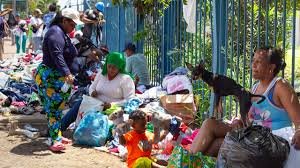
Venezuela Earthquakes: Understanding the Seismic Risks in the Region
When we think of seismic hotspots, countries like Japan or Chile often come to mind. However, Venezuela earthquakes are a significant geological reality that affects thousands of people. Understanding why the ground shakes in this South American nation is crucial for safety, urban planning, and disaster preparedness.
Why Does Venezuela Experience Earthquakes?
The seismic activity in Venezuela is primarily driven by the complex interaction between tectonic plates. The country sits atop a volatile boundary where the Caribbean Plate slides past the South American Plate.
This movement is characterized by “strike-slip” faults, meaning the plates slide horizontally past each other. When the tension between these massive slabs of rock becomes too great, it is released suddenly, resulting in the tremors we recognize as earthquakes. This geological setup makes certain regions, particularly the northern and coastal areas, more susceptible to frequent shocks.
The Impact on Infrastructure and Society
Earthquakes in Venezuela don’t just shake the ground; they challenge the resilience of the built environment. Many older structures in urban centres were not designed with modern seismic codes, increasing the risk of collapse during high-magnitude events.
- n
- Urban Vulnerability: Densely populated cities face higher risks due to aging infrastructure.
- Economic Strain: Recovery from natural disasters puts additional pressure on the national economy.
- Psychological Impact: Frequent low-magnitude tremors can lead to chronic anxiety among the local population.
n
n
n
Essential Safety Tips: What to Do During an Earthquake
While we cannot prevent Venezuela earthquakes, we can significantly reduce the risk of injury by knowing how to react. Experts recommend the following protocol:
- Drop, Cover, and Hold On: Drop to your hands and knees, cover your head and neck under a sturdy table, and hold on until the shaking stops.
- Stay Away from Glass: Move away from windows, mirrors, and hanging objects that could shatter.
- Avoid Elevators: Never use elevators during or immediately after a tremor, as power outages can trap occupants.
- Open Space: If you are outdoors, move to a clear area away from buildings, streetlights, and utility wires.
n
n
n
n
Staying Informed
Monitoring seismic activity is essential for early warning and academic research. For those looking for real-time data and global seismic patterns, the United States Geological Survey (USGS) provides authoritative tracking and analysis of earthquakes worldwide, including those affecting the Caribbean and South American regions.
Final Thoughts
The reality of seismic activity in Venezuela serves as a reminder of the Earth’s dynamic nature. By prioritizing seismic-resistant construction and promoting public education on safety measures, the impact of future earthquakes can be greatly mitigated. Staying informed is the first and most important step toward resilience.



