
Moon Phase Today: Your Guide to Viewing the Waxing Gibbous and the Lunar Cycle
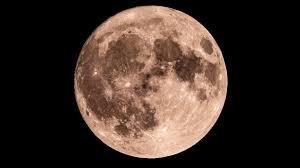
Have you looked up at the night sky recently? If you are wondering about the moon phase today, you are in luck. We are currently in a prime window for moon-gazing as we approach the Full Moon. As of Friday, June 26, the moon is in the Waxing Gibbous phase, meaning a significant portion of its surface is illuminated and clearly visible to the naked eye.
According to NASA’s Daily Moon Guide, approximately 88% of the moon is lit up tonight. This makes it an ideal time to explore the lunar landscape, regardless of whether you have professional equipment or are simply enjoying the view from your backyard.
What Can You See in the Sky Tonight?
Depending on your gear, the lunar surface offers different levels of detail. Here is what you can spot during this Waxing Gibbous phase:
- With the Naked Eye: You don’t need any special tools to see major features. Look for the Mares Crisium and Imbrium (the “seas” of the moon), as well as the prominent Copernicus Crater.
- Using Binoculars: For those with a bit more magnification, you can catch a glimpse of the Clavius Crater, the Apennine Mountains, and the lunar Alps.
- Through a Telescope: If you have a telescope, the moon reveals its true secrets. You’ll be able to see the Rima Ariadaeus, the Fra Mauro Highlands, and even the historic Apollo 17 landing spot.
Understanding the Lunar Cycle
The transition we see in the sky is part of the lunar cycle. The moon takes approximately 29.5 days to complete one orbit around Earth. While we always see the same side of the moon, the amount of that side illuminated by the sun changes as it moves.
This shifting angle of sunlight is what creates the different shapes we see throughout the month—from a sliver of a crescent to a brilliant, fully illuminated sphere.
The 8 Distinct Phases of the Moon
To help you track the moon’s journey, here are the eight stages of the lunar cycle:
- New Moon: The moon sits between Earth and the sun, making the side facing us dark and invisible.
- Waxing Crescent: A small sliver of light appears on the right side (visible from the Northern Hemisphere).
- First Quarter: Exactly half of the moon is illuminated on the right side.
- Waxing Gibbous: More than half is lit, growing toward a full circle (our current phase!).
- Full Moon: The entire face of the moon is illuminated and fully visible. The next Full Moon occurs on June 29.
- Waning Gibbous: The light begins to decrease, starting from the right side.
- Third Quarter: Another half-moon, but this time the left side is illuminated.
- Waning Crescent: A final thin sliver of light remains on the left before the cycle returns to a New Moon.
Whether you are an aspiring astronomer or just someone who appreciates the beauty of the cosmos, keeping track of the moon phase today is a wonderful way to connect with the rhythms of our solar system. Grab your binoculars and head outside!



