
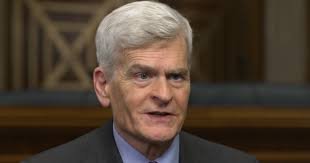
The Fallout: Sen. Bill Cassidy Slams RFK Jr. Over Public Health “Lies”
In a striking turn of events, Senator Bill Cassidy, a medical doctor and chair of the Senate health committee, has launched a scathing critique of Health and Human Services (HHS) Secretary Robert F. Kennedy Jr. While Cassidy was instrumental in advancing Kennedy’s nomination, the relationship has soured, sparking a heated debate over the future of American public health.
Speaking on “Face the Nation with Margaret Brennan,” Cassidy didn’t mince words, claiming that the commitments Kennedy made to secure his confirmation have been systematically violated. According to Cassidy, building a public health strategy on a “foundation of lies” inevitably leads to the collapse of adequate healthcare for the nation.
The “Guardrails” Gamble: Why Cassidy Voted for RFK Jr.
Many have questioned why a physician like Cassidy would support a known vaccine skeptic. Cassidy explained that his vote was a strategic move to ensure congressional oversight. He argued that the alternative—having Kennedy serve as a “health czar” within the White House—would have given him the President’s ear without any checks or balances.
- n
- The Goal: Establish guardrails to prevent misinformation.
- The Reality: Cassidy claims those guardrails have been ignored.
- The Result: A failure to restore public trust in healthcare systems.
The CDC Controversy: A Battle Over Truth
One of the most contentious points of Bill Cassidy’s Robert Kennedy criticism centers on the Centers for Disease Control and Prevention (CDC). Cassidy had secured a pledge that the CDC would maintain clear statements asserting that there is no link between vaccines and autism.
While the phrase “Vaccines do not cause Autism” remains on the site, it now appears with an asterisk, accompanied by a disclaimer stating the claim is “not an evidence-based claim.” For Cassidy, this is a direct violation of their agreement and a dangerous move that contradicts decades of scientific research.
National Security and Global Health: The Cost of Skepticism
Beyond domestic concerns, Senator Cassidy warned that Kennedy’s efforts to roll back U.S.-led global health initiatives are a threat to national security. By curtailing participation in GAVI (the Global Alliance for Vaccines and Immunization) and disrupting PEPFAR (the President’s Emergency Plan for AIDS Relief), the U.S. is losing critical “soft power.”
Cassidy argues that in a global geopolitical competition with China, providing life-saving immunizations in Sub-Saharan Africa is more effective and humane than deploying military force. He warns that damaging this infrastructure makes the U.S. less capable of responding to future pandemics or crises like Ebola.
Broader Concerns: Ethics and Governance
The Senator’s criticisms extend beyond the HHS. Cassidy has also voiced strong opposition to:
- n
- Bill Pulte: Cassidy argues that Pulte’s use of government force to target political enemies is “disqualifying” for a leadership role in national intelligence.
- Todd Blanche: The Senator has conditioned his support for the Attorney General pick on written assurances regarding the “anti-weaponization” fund.
- Executive Overreach: Cassidy emphasized that Congress must not be a “rubber stamp” for the presidency, advocating for the separation of powers as designed by the Founding Fathers.
A Call for Encouragement and Inclusion
On a personal note, Cassidy utilized his platform to advocate for children with dyslexia, a cause close to his heart. He sharply criticized the rhetoric used against public figures with learning differences, arguing that dyslexia often allows individuals to think differently and brilliantly—citing examples like Charles Schwab.
As Senator Cassidy prepares for his exit from the Senate, his recent clashes with the administration highlight a deepening divide over science, ethics, and the role of government in protecting public health.



