
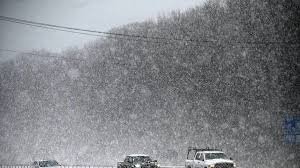
Winter Storm Warning: Your Ultimate Guide to Staying Safe and Prepared
When a winter storm warning is issued, it is more than just a forecast for a snowy day—it is a critical alert indicating that severe winter weather is imminent or already occurring. These storms can bring blinding snow, ice accumulation, and dangerously low temperatures that threaten both life and property.
Whether you live in a region prone to blizzards or you are visiting a colder climate, knowing how to react to a weather alert can make all the difference. In this guide, we will break down everything you need to know to stay safe, warm, and prepared.
Understanding the Difference: Winter Storm Watch vs. Warning
Many people confuse a “Watch” with a “Warning,” but the distinction is vital for your emergency planning:
- n
- Winter Storm Watch: Be prepared. Conditions are favorable for a severe winter storm in the coming days. Keep an eye on the news and check your supplies.
- Winter Storm Warning: Take action. A severe winter storm is occurring or will occur shortly. This is the time to stay indoors and follow safety protocols.
The Essential Winter Storm Preparation Checklist
Preparation is the best defense against the elements. Before the snow starts falling, ensure you have the following items ready in your emergency kit:
- n
- Non-perishable Food & Water: At least a three-day supply of canned goods, energy bars, and one gallon of water per person per day.
- Lighting and Power: High-quality flashlights, extra batteries, and a portable power bank for your mobile devices.
- Warmth: Heavy blankets, thermal clothing, wool socks, and a reliable heating source that is safe for indoor use.
- First Aid & Medication: A fully stocked first aid kit and a backup supply of essential prescription medications.
- Communication: A battery-powered or hand-crank weather radio to stay updated if the internet or electricity fails.
Critical Safety Tips During a Severe Winter Storm
Once a winter storm warning is active, your priority should be safety and conservation of heat. Follow these expert tips:
1. Avoid Unnecessary Travel
The most dangerous part of a winter storm is often the road. Icy patches and “whiteout” conditions can lead to fatal accidents. If you must travel, ensure your car has a full tank of gas, an ice scraper, and an emergency kit in the trunk.
2. Prevent Frozen Pipes
To avoid costly plumbing disasters, let your faucets drip slightly to keep water moving through the pipes. Insulate exposed pipes in unheated areas like garages or basements.
3. Stay Warm Safely
While it’s tempting to use alternative heating sources, be extremely cautious. Never use a gas oven or charcoal grill to heat your home, as this can lead to deadly carbon monoxide poisoning. For official guidelines on indoor heating safety, refer to the Ready.gov Winter Weather Guide.
4. Keep Pets Indoors
Animals are just as susceptible to frostbite and hypothermia as humans. Bring your pets inside and ensure they have a warm, dry place to sleep.
After the Storm: Recovering and Clearing Snow
Once the warning is lifted, the work isn’t over. When clearing snow from your driveway or sidewalks, keep these health tips in mind:
- n
- Avoid Overexertion: Shoveling heavy snow can put a massive strain on the heart. Take frequent breaks and stay hydrated.
- Clear Vents: Ensure that your home’s exhaust vents (for furnaces and water heaters) are clear of snow to prevent carbon monoxide buildup inside the house.
- Check on Neighbors: Reach out to elderly neighbors or those with disabilities to ensure they have heat and supplies.
Stay Informed with Official Sources
For real-time updates and the most accurate meteorological data, always rely on official government sources. The National Weather Service (NWS) provides the most reliable alerts for the United States.
Final Thought: A winter storm warning is a signal to slow down and prioritize safety. By preparing your home and following these guidelines, you can weather the storm with peace of mind.



