
Strategic Maneuvers in the East Sea: A High-Stakes Air Encounter
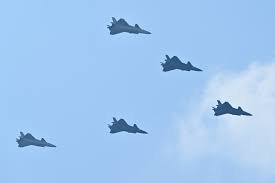
In a significant display of geopolitical tension, South Korea recently mobilized its Air Force fighter jets following a coordinated move by Chinese and Russian military aircraft. On June 27, more than ten aircraft from these two nations entered the Korea Air Defense Identification Zone (KADIZ), prompting an immediate tactical response from the South Korean Joint Chiefs of Staff (JCS).
The aircraft entered and exited the identification zone sequentially, navigating the East Sea (Sea of Japan) and the waters south of the Korean Peninsula. While the presence of these foreign assets sparked alarm, the South Korean military clarified that none of the aircraft violated the country’s sovereign airspace.
The Rapid Response: Tactical Measures and Vigilance
Precision and readiness were the priorities for the South Korean forces. According to reports from The Korea Herald, the JCS detected the incoming aircraft before they even crossed into the KADIZ. As a precautionary measure, fighter jets were deployed to monitor the situation and prepare for any potential contingencies.
This operation underscores the importance of maintaining a high state of readiness in a region where military aircraft movements are often used as signals of political intent or strategic strength.
What Exactly is a KADIZ?
For those unfamiliar with aviation terminology, an Air Defense Identification Zone (ADIZ/KADIZ) is a designated area where a country monitors approaching aircraft before they reach its national airspace. It is crucial to distinguish between these zones and sovereign territory:
- n
- Monitoring Purpose: ADIZs allow nations to identify and track aircraft for security purposes.
- Legal Status: Unlike territorial airspace, ADIZs are not formally recognized under international law.
- Protocol: Despite the lack of legal status, foreign military aircraft are generally expected to notify authorities before entering these zones to avoid misunderstandings.
A Global Pattern of Aerial Posturing
The events in the Korean Peninsula are not isolated. The global landscape is currently seeing a surge in strategic flight activities. For instance, NATO recently scrambled F-35 fighter jets in response to Russian Tu-160 “Blackjack” strategic bombers and MiG-31 escort aircraft.
These Russian bombers conducted a grueling 16-hour long-range flight over the Barents and Norwegian Seas, practicing in-flight refueling near the UK’s northern approaches. This suggests a broader trend of joint Chinese-Russian air exercises designed to test the reaction times and capabilities of Western and allied defense systems.
Final Thoughts on Regional Security
As the frequency of these incursions increases, the reliance on advanced military aircraft and sophisticated radar systems becomes paramount. The coordination between China and Russia in these exercises sends a clear message about their growing strategic partnership in the face of regional alliances.



