
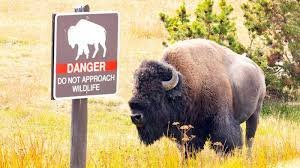
Yellowstone National Park Bison Safety: Critical Lessons After Recent Incident
Visiting the majestic landscapes of Yellowstone National Park is a bucket-list experience for millions. However, a recent frightening incident serves as a stark reminder that the park’s wildlife is not a tourist attraction—it is wild, powerful, and potentially dangerous.
A Warning Sign: The Mud Volcano Incident
On a recent Friday morning around 9:15 a.m., the serenity of the park was shattered when a 12-year-old visitor was injured by a bison near Mud Volcano, just north of Fishing Bridge. The child had to be rushed to a nearby hospital by emergency medical personnel.
While the park officials have not released the full extent of the injuries, the incident is currently under investigation. This event highlights a recurring problem: visitors often underestimate the risks associated with getting too close to these massive animals.
Why Bison Are More Dangerous Than They Look
Many tourists mistake bison for slow-moving, docile giants. In reality, the National Park Service warns that bison have injured more people in Yellowstone than any other animal. Here is why you should never let your guard down:
- n
- Deceptive Speed: Bison can run up to three times faster than a human.
- Unpredictability: Their moods can shift instantly; an animal that looks calm can become aggressive in seconds.
- Territorial Nature: They will aggressively defend their space if they feel threatened or crowded.
Essential Wildlife Safety Guidelines for Your Visit
To ensure your trip to Wyoming remains a happy memory, it is crucial to follow the strict distance regulations mandated by the National Park Service (NPS). Maintaining a safe buffer is the only way to prevent tragic encounters.
Required Safety Distances:
- 25 Yards (approx. 23 meters): This is the minimum distance you must maintain from all large animals, including bison, elk, bighorn sheep, deer, moose, and coyotes.
- 100 Yards (approx. 91 meters): A much larger gap is required for the park’s apex predators, such as bears, wolves, and cougars.
How to React When Wildlife Approaches You
If a bison or any other animal begins to move toward you, do not freeze or try to take a “perfect selfie.” Instead, follow these a few simple rules:
- Move away immediately to restore the required safety distance.
- Never approach, touch, or feed the wildlife, regardless of how calm they appear.
- Avoid crowding animals, as this is the primary trigger for aggressive behavior.
Yellowstone is a treasure of biodiversity, but the safety of its visitors depends on respect for the wildlife. By prioritizing Yellowstone National Park bison safety, you protect both yourself and the animals that call this incredible park home.



