The Paradox of Netflix: Hits, Misses, and the Ghost of Mindhunter
Netflix has always been a powerhouse of ambition, delivering some of the most daring projects in streaming history. This year hasn’t been any different. From the adrenaline-fueled success of War Machine—which, thanks to the charisma of Alan Ritchson, secured a spot in the all-time top 10 and earned itself a sequel—to the high hopes placed on The Boroughs.
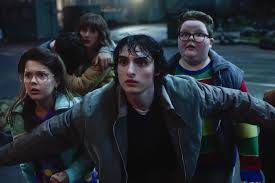
Produced by the legendary Duffer Brothers (the minds behind Stranger Things), The Boroughs was positioned as the next global phenomenon. However, the streaming giant’s decision-making can be brutal. Despite its popularity, Netflix recently shocked fans by cancelling the show after just one season, leaving its story unfinished.
But for seasoned Netflix viewers, this cycle of sudden cancellations is a familiar heartbreak. No loss cuts deeper than the silence surrounding Mindhunter.
The Mindhunter Mystery: On Hold or Gone?
After two breathtaking seasons, Netflix announced in 2020 that Mindhunter was being put “on hold.” For years, fans clung to the hope that the show was simply resting. However, director David Fincher eventually confirmed the bitter truth: the series had been effectively canned.
Why Mindhunter Changed the Game
Mindhunter wasn’t just another police procedural; it was a surgical examination of the human psyche. By focusing on the dawn of criminal psychology, it shifted the narrative from “who did it” to “why they did it.”
The series followed FBI agents Holden Ford (played by Jonathan Groff) and Bill Tench (Holt McCallany) as they pioneered the radical approach of interviewing incarcerated serial killers. This intellectual pursuit of darkness blurred the lines between the profilers and their subjects, creating a tension that was as psychological as it was cinematic.
The Art of Profiling: Analyzing the Predator
The fascination with Mindhunter lies in the same curiosity that leads us to analyze the patterns of cinematic monsters. Whether it’s a real-life killer or a fictional icon, the psychology remains the key to victory:
- n
- The Predictable Hunter: Like Jason Voorhees, some villains are relentless but follow a set pattern—a gap that can be exploited.
- The Methodical Stalker: Figures like Michael Myers rely on patience and invisibility; they only become detectable to those paying the closest attention.
- The Psychological Manipulator: Freddy Krueger wins by destabilizing the target, using subconscious fears as weapons.
- The Fear-Feeder: Pennywise is ancient and powerful, but his critical vulnerability is a target who simply stops being afraid.
- The Deceptive Mask: Chucky exploits the gap between appearance and reality, striking when he is least taken seriously.
A Critical Triumph Left Unfinished
The quality of Mindhunter is undisputed. With nearly flawless scores on Rotten Tomatoes—boasting 97% from critics and 95% from audiences—the show stands as a testament to Joe Penhall’s writing and Fincher’s meticulous direction.
While we may never get a Season 3, the influence of Mindhunter lives on in every modern crime drama that dares to explore the darker corners of the mind. It taught us that the most terrifying monsters aren’t always under the bed—sometimes, they are sitting right across the table in an interview room.
Have you watched Mindhunter? Do you think it deserves a revival or a movie conclusion? Share your thoughts in the comments below!