
Tensions Peak: US Launches Strikes on Iran Following Maritime Provocation
The volatile situation in the Middle East has escalated once again. In a decisive military response, the United States carried out targeted strikes against Iranian territory on Friday. This move follows a series of drone attacks directed at a cargo ship in the Strait of Hormuz, a critical artery for global energy and trade.
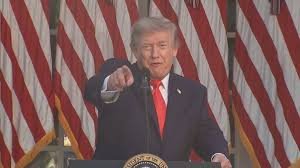
According to U.S. Central Command, the military operations targeted specific missile and drone launch sites, as well as coastal radar installations. The strikes serve as a direct response to what President Donald Trump described as a violation of the existing ceasefire, emphasizing that such provocations would not go unanswered.
The Trigger: Conflict in the Strait of Hormuz
The catalyst for this escalation was a drone attack on a container ship off the coast of Oman. This incident occurred shortly after Iran issued threats to vessels utilizing the route. While the International Maritime Organization (IMO) had been attempting to facilitate the safe passage of stranded ships, the recent violence has forced a halt to these evacuations.
Current maritime status:
- n
- Ships evacuated: Approximately 115 vessels have successfully left the strait.
- Ships remaining: About 500 vessels remain in the area, facing significant uncertainty.
- Impact: The IMO has suspended operations until guarantees of safety are provided.
Economic Ripples and Diplomatic Fragility
The Strait of Hormuz is one of the most strategically important waterways in the world. Any disruption here sends immediate shockwaves through the global economy, particularly regarding crude oil prices. Shipping analysts note that while the strait remains operationally open, the “pace of normalization” has slowed significantly.
This military clash comes at a precarious moment for diplomacy. The U.S. and Iran are currently navigating a fragile interim deal, with a 60-day window to negotiate permanent terms. Key sticking points include:
- n
- The secure transit of commercial shipping through the strait.
- The future of Iran’s stockpile of highly enriched uranium.
Broader Regional Context: A Step Toward Peace in Lebanon?
Amidst the escalating tension between the U.S. and Iran, there is a glimmer of diplomatic progress elsewhere in the region. Ambassadors from Israel and Lebanon have announced a framework agreement aimed at ending months of conflict between Israeli forces and the militant group Hezbollah.
Israeli Prime Minister Benjamin Netanyahu described the plan as a “great achievement,” provided that Israel maintains a security zone in southern Lebanon until Hezbollah is fully disarmed. Lebanon’s ambassador to the U.S., Nada Hamadeh, expressed hope that this move would allow displaced citizens to return to their lands in peace and security.
What’s Next for Global Stability?
The duality of the current situation—military strikes in the Gulf and peace talks in Lebanon—highlights the complexity of Middle Eastern geopolitics. As the world watches the Iran attacks and the subsequent U.S. responses, the focus remains on whether diplomacy can prevail over military escalation to ensure the stability of global trade routes.



