
The Hidden Danger: Analyzing the Impact of Earthquakes in Venezuela
When discussing seismic activity in South America, attention often shifts toward the Andes or the Pacific coast. However, the reality of earthquakes in Venezuela presents a complex challenge. While the country may not experience daily mega-quakes, the potential for significant devastation remains a pressing concern for millions of residents.
Understanding the death toll from Venezuela earthquakes requires more than just looking at numbers; it requires an analysis of infrastructure, geological vulnerability, and the socio-economic climate of the region.
The Geological Context: Why Venezuela is at Risk
Venezuela is situated in a tectonically active zone, primarily influenced by the interaction between the Caribbean Plate and the South American Plate. Most seismic events are concentrated along the northern coast and the Andean region.
- n
- Fault Lines: The presence of boundary faults makes the northern region particularly susceptible to tremors.
- Soil Composition: Many urban centres are built on sedimentary soil, which can amplify seismic waves, increasing the risk of building collapse.
- Frequency: While large-scale disasters are less frequent than in Chile or Japan, moderate earthquakes occur regularly, often causing panic and localized damage.
Assessing the Death Toll and Humanitarian Impact
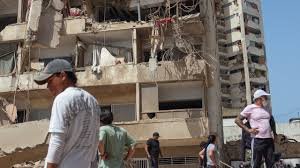
Calculating the exact death toll in Venezuela earthquakes can be challenging due to fragmented reporting and the ongoing humanitarian crisis in the country. When a seismic event occurs, the loss of life is often not caused by the tremor itself, but by the collapse of poorly maintained structures.
The intersection of economic instability and natural disasters creates a “perfect storm.” With limited funds for retrofitting old buildings or implementing strict building codes, the vulnerability of the population increases significantly.
For real-time global seismic tracking, the United States Geological Survey (USGS) provides critical data on magnitude and epicentres that help international agencies coordinate relief efforts.
Challenges in Disaster Response and Recovery
The ability to minimize the death toll depends heavily on the speed of the emergency response. In Venezuela, several factors hinder these efforts:
- Infrastructure Decay: Deteriorating roads and bridges can slow down rescue teams reaching remote areas.
- Resource Shortages: A lack of specialized equipment and medical supplies in hospitals complicates the treatment of earthquake victims.
- Communication Gaps: Power outages and unstable internet connections often delay early warning signals to the public.
How to Stay Safe During a Seismic Event
Regardless of the location, preparedness is the most effective way to reduce casualties. Experts from the International Committee of the Red Cross (ICRC) recommend the following safety protocols:
- Drop, Cover, and Hold On: Get under a sturdy piece of furniture and hold on until the shaking stops.
- Avoid Elevators: Never use elevators during or immediately after an earthquake.
- Emergency Kits: Keep a bag ready with water, non-perishable food, a flashlight, and basic first-aid supplies.
- Identify Safe Zones: Know the safest spots in your home and workplace away from windows and heavy shelving.
Conclusion
The threat of earthquakes in Venezuela is a reminder of the fragility of human infrastructure in the face of nature. While we cannot prevent the movement of tectonic plates, we can reduce the death toll through better urban planning, international cooperation, and community education. Staying informed and prepared is the best defence against the unpredictable power of the earth.



