
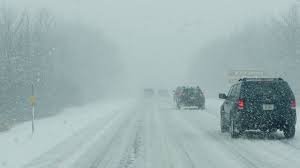
Surviving the Chill: Your Ultimate Guide to Winter Storm Preparedness in Canada
When a winter storm hits Canada, it’s more than just a few snowflakes; it can mean blinding blizzards, plummeting temperatures, and unexpected power outages. Whether you are a lifelong Canadian or new to the Great White North, being prepared is the difference between a cozy evening indoors and a dangerous emergency.
In this comprehensive guide, we will walk you through everything you need to know to keep your family safe, your home warm, and your stress levels low during the harshest months of the year.
Understanding the Threat: What Exactly is a Winter Storm?
Not all winter weather is created equal. While a standard snowstorm brings accumulation, a blizzard is characterized by sustained winds of 56 km/h or higher and visibility reduced to less than 400 metres for at least three hours. Understanding these warnings from Environment and Climate Change Canada can help you decide when to stay off the roads entirely.
The Essential Winter Emergency Kit
When the power goes out during a severe winter storm, you don’t want to be scrambling in the dark. A well-stocked emergency kit is your first line of defence. Ensure you have the following items readily available:
- n
- Non-perishable food: Canned goods, energy bars, and dried fruits (enough for at least 72 hours).
- Water: At least 4 litres of water per person per day.
- Lighting: Flashlights, headlamps, and plenty of extra batteries (avoid candles to prevent fire hazards).
- Warmth: Thermal blankets, wool socks, and high-quality winter clothing.
- First Aid: A complete kit including essential medications and a manual.
- Power: Portable power banks to keep your mobile devices charged.
Home Maintenance for Extreme Cold
Your home is your sanctuary, but winter storms can expose weaknesses in your infrastructure. To prevent costly damages and keep the heat in, consider these tips:
- n
- Seal the Drafts: Use weatherstripping or door snakes to stop cold air from leaking through windows and doors.
- Pipe Protection: Insulate exposed pipes in your basement or garage to prevent them from freezing and bursting.
- Heating Check: Ensure your furnace is serviced before the first freeze and that your vents are clear of snow and debris.
Safety on the Roads: Driving Through a Blizzard
Driving during a winter storm is inherently risky. If you absolutely must travel, follow these safety protocols recommended by The Canadian Red Cross:
1. Winterize Your Vehicle: Ensure you have winter tires installed (which are mandatory in many provinces) and that your windshield washer fluid is rated for sub-zero temperatures.
2. Keep a Car Kit: Always carry a snow brush, ice scraper, a shovel, and a warm blanket in your trunk.
3. Slow Down and Space Out: Increase your following distance significantly. Braking takes longer on icy roads, and sudden stops can lead to pile-ups.
Conclusion: Stay Informed and Stay Safe
Winter storms are an inevitable part of the Canadian experience, but they don’t have to be frightening. By preparing your home, stocking your emergency kit, and staying updated with local weather alerts, you can weather any storm with confidence.
Stay warm, stay safe, and remember to check on your neighbours—especially the elderly—after the snow settles!



