Adam Lambert Challenges Toxic Masculinity and Stereotypes in the LGBTQ+ Community
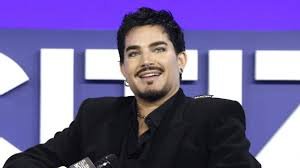
Known for his powerhouse vocals as the frontman of Queen and his unforgettable journey on American Idol, Adam Lambert is once again making waves—not just with his music, but with his candid views on identity and societal pressure.
In a recent deep-dive interview with British podcast host Josh Smith, Lambert stepped away from the spotlight of the stage to address a more personal and poignant topic: the internal struggles and stereotypes that persist within the LGBTQ+ community.
Beyond the Labels: From “Twink” to “Daddy”
Lambert didn’t shy away from the humorous yet complex nature of gay stereotypes. Reflecting on his own evolution, he poked fun at the labels that often define men in the queer community.
“I was actually a twink at one point in time. I’m so far from being a twink now. I have a dad bod at this point. I’m a daddy,” Lambert joked during the conversation.
While he has been called everything from a “bear” to a “queen,” the singer noted a surprising shift in how he is perceived now, mentioning that some have started calling him a “king”—a term he finds interesting due to its implicit connection to traditional masculinity.
The Weight of Toxic Masculinity
Beyond the jokes, the conversation took a serious turn as Lambert addressed the damaging effects of toxic masculinity. He argued that gay men often face a unique set of pressures compared to other members of the community because of society’s rigid expectations of how a “man” should behave and look.
According to Lambert, this creates a double-edged sword regarding visibility. While being seen is important, the fear of not meeting a specific standard of masculinity leads many to suppress their true selves.
- n
- The Pressure to Conform: The belief that one must look a certain way to be considered “manly” or desirable.
- Internalized Shame: How societal expectations fuel a sense of inadequacy among queer men.
- The Fear of Judgment: The anxiety of stepping outside the “norm” and being labeled as “weird.”
A Plea for Originality and Authenticity
One of the most striking points of the interview was Lambert’s observation of modern queer culture. He expressed concern over a growing trend of assimilation, where individuals strive to look and act identical to fit into a validated mold.
“I saw a picture the other day and I was, like, ‘Geez, they all look the same,'” Lambert remarked. He questioned why so many people are afraid to express something singular or unique, calling the trend of assimilation “boring.”
In a world where the political climate can often feel hostile toward the LGBTQ+ community, Lambert encourages his peers to stay strong, remain optimistic, and embrace their originality as a form of resilience.
What’s Next for Adam Lambert?
While he continues to advocate for authenticity and mental strength, Lambert is also gearing up for a major musical milestone. His highly anticipated new album, ADAM, is set to drop on July 9 across all streaming platforms.
By combining his art with his activism, Adam Lambert continues to prove that the most powerful thing a person can be is their authentic self.