Beyond the Pitch: The Cultural Collision of the FIFA World Cup Soccer Pride Match
The FIFA World Cup soccer tournament has always been more than just a series of matches; it is a global stage where politics, culture, and sport intersect. In Seattle, this intersection has become vividly apparent with the designation of the match between Egypt and Iran as a “Pride Match.”
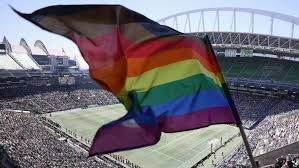
As the city prepares for its annual Pride Weekend, the stadium will be adorned with rainbow flags—powerful symbols of LGBTQ+ pride, diversity, and social inclusion. However, this celebration of identity has sparked a complex dialogue between the host city’s values and the cultural norms of the competing nations.
A Clash of Perspectives
For Iran’s head coach, Amir Ghalenoei, the festivities are a distraction from the sport. In a pre-match press conference, Ghalenoei remained firm, stating that his team is focused purely on the beauty of the game and avoiding topics that conflict with their religious beliefs and national laws.
Despite formal complaints from both Egypt and Iran—countries where homosexuality remains illegal—Seattle organizers have stood their ground. The decision to designate the game as a Pride Match was made well before the tournament draw paired these two specific teams.
Seattle’s Identity: “Curiosity Over Retreat”
The host committee views the event not as a provocation, but as an invitation to experience the unique culture of the Pacific Northwest. Hedda McLendon, from the Seattle World Cup organizing committee, emphasized that the city’s identity is rooted in inclusivity.
“It might not be how you want to live or how things are in your country, but this is something that makes us unique and we want you to experience it and be curious,” McLendon told reporters.
This sentiment is echoed by Jess Fishlock, the legendary Wales goalscorer and a long-time player for Seattle Reign FC. Fishlock, who is part of the host committee, argues that the celebration is a reflection of Seattle’s soul, regardless of who is playing on the pitch.
FIFA’s Official Stance on Inclusion
While the local organizers are enthusiastic, FIFA has maintained a nuanced position. The governing body clarified that while it is not an official “FIFA Pride Match,” the 2026 World Cup is an inclusive event. According to the stadium code of conduct, rainbow flags and other symbols representing gender identity and sexual orientation are permitted, provided they are used respectfully.
The Human Side: Food, Fans, and Football
Away from the political tension, the spirit of the FIFA World Cup soccer tournament thrives in the fan zones. For many Egyptian fans, the political noise is secondary to the goal of reaching the next round. This blend of cultures is best seen in the culinary offerings, such as the pop-up restaurants serving Koshari—a traditional Egyptian vegan street food made of lentils, chickpeas, and pasta.
For vendors like Amani Abouammo, the situation is a matter of cultural misunderstanding. They note that while such displays are common in Seattle, they are foreign to those back home, creating a “piece of confusion” that only time and dialogue can bridge.
The Stakes on the Field
While the headlines focus on social issues, the sporting stakes remain high for Group G:
- n
- Egypt: Entering the match with strong momentum after a victory over New Zealand.
- Iran: Struggling with travel restrictions and political pressure, fighting to salvage their tournament run.
As the world watches this clash in Seattle, the match serves as a microcosm of the modern game: a sport capable of bringing the world together, even when that world is deeply divided by its values. For more updates on the tournament, check out the latest reports on BBC Sport.