
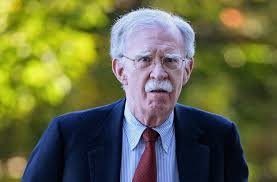
John Bolton: The Architect of Hardline Foreign Policy and His Global Impact
In the world of international diplomacy, few names evoke as much debate and intensity as John Bolton. Known for his uncompromising stance and “hawkish” approach to global security, Bolton has been a central figure in United States foreign policy for decades. But who is the man behind the strategy, and how has his influence shaped the geopolitical landscape?
The Philosophy of a Foreign Policy Hawk
John Bolton is widely recognized for his commitment to American exceptionalism and a unilateralist approach to foreign affairs. Unlike diplomats who prioritize multilateral agreements and international treaties, Bolton has often argued that the U.S. should maintain the freedom to act independently to protect its national interests.
His career has been defined by several key pillars:
- n
- Regime Change: A long-standing belief that unstable or hostile regimes (particularly in Iran and North Korea) pose an existential threat.
- Skepticism of International Bodies: Bolton has famously expressed doubt regarding the efficacy of the United Nations, often arguing that it can constrain U.S. sovereignty.
- Strong Deterrence: The belief that only an overwhelming show of force or the credible threat of it can prevent aggression from adversaries.
Key Roles and Political Trajectory
Bolton’s influence reached its peak through high-ranking positions across multiple presidential administrations. As the U.S. Ambassador to the United Nations, he was known for his assertive style and willingness to clash with foreign dignitaries to push the American agenda.
However, it was his tenure as the National Security Advisor that brought him into the modern spotlight. During this time, he navigated the complex waters of trade wars and nuclear negotiations. His approach to the “maximum pressure” campaign against Iran remains one of the most discussed strategies in recent geopolitical history.
Controversies and ‘The Room Where It Happened’
No discussion of John Bolton is complete without mentioning his fallout with the Trump administration. The tension culminated in the publication of his memoir, “The Room Where It Happened,” which provided an insider’s look at the inner workings of the White House.
The book sparked a legal battle over classified information, but more importantly, it highlighted the ideological rift between Bolton’s traditional neoconservative views and the “America First” isolationist tendencies of the administration. For those interested in the mechanics of power, his account offers a raw glimpse into the decision-making processes of the Council on Foreign Relations style of diplomacy.
The Lasting Legacy of John Bolton
Whether viewed as a necessary shield for national security or a catalyst for international tension, John Bolton’s impact is undeniable. He represents a specific school of thought in geopolitics that prioritizes strength and sovereignty over global consensus.
As the world shifts toward a multipolar order, the strategies championed by Bolton continue to be analyzed by political scientists and policymakers worldwide, serving as a case study in the application of hard power in the 21st century.
Want to stay updated on global political shifts? Explore more insights into international relations and the figures shaping our world.



