Football and Friction: The Controversy Surrounding Egypt vs Iran in Seattle
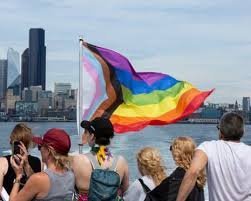
The upcoming clash between Egypt vs Iran is generating headlines far beyond the tactical lineups and player stats. As the two teams prepare to face off in Seattle, a storm of controversy has erupted regarding the city’s planned LGBTQ+ festivities, coinciding with the match and the annual Pride weekend.
While the world awaits the action on the pitch, the tension off the field highlights the deep cultural divide between the sporting governing body, the host city, and the participating nations.
The ‘Pride Match’ Dispute: FIFA Sets the Record Straight
Much of the friction stems from the designation of the event as a “Pride Match.” Both the Iranian and Egyptian federations expressed strong reluctance and lodged formal complaints with FIFA, requesting the cancellation of LGBTQ+ events surrounding the game. In both Iran and Egypt, LGBTQ+ identities are legally persecuted, making the celebrations a point of high political tension.
FIFA President Gianni Infantino has moved quickly to distance the organization from the festivities, clarifying a crucial point:
- External Organization: The celebrations are arranged by Seattle’s organizing committee, not by FIFA.
- Not a ‘Pride Match’: Infantino explicitly stated, “There will be no ‘Pride Match’ at the World Cup,” emphasizing that the events are city-led and separate from the official match.
- Stadium Code of Conduct: Despite the teams’ complaints, FIFA confirmed that rainbow flags representing sexual orientation and gender identity are permitted inside the stadium, provided they adhere to the code of conduct.
Coaches’ Reaction: Focus on the ‘Beautiful Game’
During pre-match press conferences, both head coaches attempted to steer the conversation away from social issues and back to athletics.
Amir Ghalenoei, the head coach of Iran, was blunt about his refusal to discuss topics banned in his home league. “All our thoughts are focused on football, the beautiful game, our people, our success,” Ghalenoei remarked, stressing that the team aims to bring joy to their supporters through performance on the pitch.
Similarly, Egypt’s head coach, Hossam Hassan, echoed this sentiment, stating that his team is solely concerned with football and expects FIFA to handle the organizational logistics. He emphasized a commitment to fair play and the rules established by the governing body.
Beyond the Pitch: Political Pressures and Restrictions
The controversy isn’t limited to the Pride celebrations. The Iranian delegation has voiced frustrations regarding their treatment during the tournament, claiming they have felt like the “most oppressed” team. Ghalenoei pointed toward restrictions imposed by the US administration regarding arrival and departure schedules in host cities.
While Ghalenoei acknowledged that Infantino tried to minimize these challenges, he suggested that the restrictions were unforeseen by FIFA and left the team feeling deprived of certain rights.
Conclusion: A Clash of Values
The Egypt vs Iran match in Seattle serves as a stark reminder of how global sporting events often become battlegrounds for conflicting cultural and political values. While the athletes strive for victory, the event underscores the ongoing struggle between international human rights standards—supported by host cities and FIFA’s code of conduct—and the domestic laws of participating nations.
For more updates on the World Cup 2026 and international football regulations, stay tuned to the latest sports bulletins.