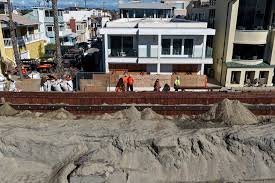
The Fall of Alligator Alcatraz: Controversy, Cost, and the Closing of Florida’s Notorious Jail
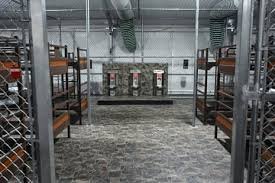
The End of an Era: Alligator Alcatraz Shuts Down
The notorious immigration facility known as Alligator Alcatraz, a makeshift jail hastily erected in the heart of the Florida Everglades, has officially closed its doors. After a year of operation that sparked international outcry, the site has become a symbol of the intense polarization surrounding U.S. immigration policy.
Florida Governor Ron DeSantis recently confirmed the closure, framing the operation as a resounding success. During a press conference at the now-dismantled site in Ochopee, DeSantis boasted that the facility helped facilitate the deportation of approximately 21,000 individuals, claiming the move has made both the state and the country safer.
A High Price Tag for “Public Safety”
While the administration touted the facility’s efficiency, critics point to a staggering financial toll. Reports indicate that Alligator Alcatraz cost Florida taxpayers roughly $1.2 million per day. For many, this expenditure was unjustifiable, especially given the allegations of mismanagement and cruelty that plagued the site throughout its existence.
Beside the Governor, Tom Homan, the designated “border czar,” dismissed reports of mistreatment as hoaxes, asserting that a vast majority of those detained were criminals. However, evidence gathered by independent investigators tells a different story:
- n
- Civil vs. Criminal: Many detainees had no criminal records; their only “offense” was being in the U.S. without legal documentation—a civil violation.
- Lack of Access: Reports highlighted the systemic isolation of detainees from legal representation.
- Inhumane Conditions: Advocates described the environment as one of “brutality, lawlessness, and chaos.”
Environmental Damage in the Everglades
Beyond the human cost, the facility’s location in the environmentally sensitive Everglades region sparked a legal firestorm. The Miccosukee Tribe of Indians and various advocacy groups filed lawsuits, claiming the jail caused significant harm to the fragile wetlands. The installation of massive concrete slabs and the resulting pollution contradicted the state’s public commitment to Everglades restoration.
While Governor DeSantis insisted that the environmental impact was “contained,” the visual of a tented jail sprawling across protected wetlands remains a point of contention for environmentalists and the National Park Service supporters.
The Power of Public Pressure
The closure is being hailed as a victory by social justice organizations. Noelle Damico, director of social justice at the Workers Circle, stated that the facility became “politically toxic” due to the relentless action of thousands of citizens who refused to stay silent.
According to Damico, the shutdown of Alligator Alcatraz is a reminder that brutality in the name of political gain can be defeated through collective action. However, the fight is far from over, as attention now shifts to other “deportation depots,” such as the one in Baker County.
Conclusion: A Legacy of Division
Whether viewed as a necessary tool for border enforcement or a monument to human rights abuses, Alligator Alcatraz leaves behind a complex legacy. As the tents are packed away and the concrete removed, the debate over the ethics of immigration detention continues to shape the political landscape of the United States. For more information on global standards for detainee treatment, you can visit Amnesty International.
📰 You May Also Like