A Clash of Values at Oracle Park
Baseball is typically a game of statistics, home runs, and strategic plays. However, the San Francisco Giants have recently found themselves at the center of a cultural firestorm that has nothing to do with the scoreboard. The team is currently grappling with a massive media controversy following a decision by several pitchers to express their faith during the organization’s Pride Night celebrations.
The tension reached a boiling point when players, including pitcher Landen Roupp, chose to write Bible verses—specifically Genesis 9:12-16—on their Pride-themed caps. In a city as progressive as San Francisco, this gesture was seen by many as a direct challenge to the inclusive spirit of the event, sparking a heated debate over religious freedom and social inclusivity in professional sports.
The Public Reaction: Outrage and Dialogue
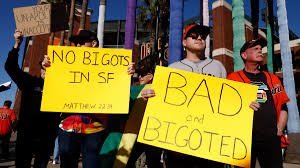
The reaction from the fanbase and the LGBTQ+ community was immediate and intense. Outside the stadium, the atmosphere was charged with emotion. While some fans viewed the players’ actions as a stand for religious conviction, others labeled the gesture as discriminatory and hateful.
During the fallout, several key points of contention emerged among the spectators:
- Demands for Accountability: Some fans argued that the San Francisco Giants organization should have mandated the uniform as-is, suggesting that players who refused to adhere to the Pride gear should have been benched.
- The Bigotry Debate: Protesters held signs calling the players “bigots,” while others attempted to draw parallels between this situation and historical struggles for integration in Major League Baseball.
- The Theological Conflict: Discussions arose regarding the interpretation of “loving your neighbor,” with protesters and religious advocates clashing over whether love requires affirmation of all lifestyles or adherence to biblical doctrines.
Executive Silence and Media Pressure
Adding to the tension was the response from the team’s leadership. Buster Posey, the Giants’ legend and current president of baseball operations, found himself in a difficult position. During media availabilities, Posey notably avoided questions regarding the controversy, sticking strictly to baseball-related topics. This silence was interpreted by some as a lack of leadership and by others as a necessary move to avoid further inflaming an already volatile situation.
The Bigger Picture: Politics in Professional Sports
This incident highlights a growing trend in modern athletics: the collision of personal faith, corporate social responsibility, and political activism. For many, the Giants controversy is a symptom of a larger divide in American society. While some believe sports should be a platform for social progress, others argue that the field should be a neutral zone.
A recurring sentiment among a segment of the fanbase is the desire for a return to the core of the game. Many believe that “political pandering,” regardless of the side, only serves to divide fans and put athletes in an impossible position where they must either compromise their deeply held beliefs or face public vilification.
Conclusion: A Game Divided
As the San Francisco Giants move forward in their season, the echoes of the Pride Night controversy serve as a reminder of the complexities of the modern sporting landscape. Whether it is a matter of religious liberty or social inclusion, the debate proves that the diamond is no longer just a place for baseball—it has become a mirror reflecting the cultural wars of the nation.
What do you think? Should professional athletes be allowed to express their faith on team-mandated gear, or should the uniform remain neutral?