
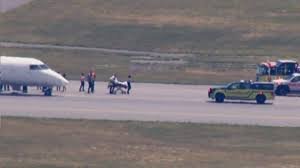
The Unthinkable Scenario: What Happens When a Pilot Becomes Incapacitated?
For most passengers, the flight deck is a place of absolute control and expertise. However, the rare possibility of an Air Canada pilot incapacitated flight scenario is something that aviation authorities and airlines prepare for with extreme precision. While the thought of a pilot losing consciousness or becoming ill mid-air is daunting, the aviation industry is designed with multiple layers of redundancy to ensure a safe outcome.
The First Line of Defence: Crew Resource Management (CRM)
Modern aviation doesn’t rely on a single individual. Every commercial flight is operated by a team. When a pilot becomes incapacitated, Crew Resource Management (CRM) kicks in immediately. This system ensures that the remaining crew members communicate effectively and divide tasks to manage the aircraft.
- n
- Immediate Takeover: The functioning pilot immediately takes full control of the aircraft.
- Cabin Notification: The flight deck alerts the cabin crew to provide medical assistance to the incapacitated pilot.
- ATC Coordination: Air Traffic Control is notified immediately to prioritize the flight for an emergency landing.
The Role of Automation and Autopilot
In the event of an emergency, technology becomes a vital ally. Modern aircraft used by Air Canada are equipped with sophisticated autopilot systems. These systems can maintain the aircraft’s altitude, heading, and speed, allowing the remaining pilot to focus on communicating with ground control and planning the safest possible diversion.
How an Emergency Landing is Orchestrated
Once a pilot is incapacitated, the primary goal is to get the aircraft on the ground as quickly and safely as possible. This process involves several critical steps:
- Declaring an Emergency: The pilot declares a “Mayday” or “Pan-Pan” call, which grants them priority over all other air traffic.
- Diversion Planning: Using onboard navigation, the crew identifies the nearest suitable airport with the necessary medical facilities.
- Ground Support: Emergency medical services (EMS) are dispatched to the runway to meet the plane the moment it touches down.
Rigorous Training and Safety Standards
It is important to note that pilots undergo rigorous health screenings and regular training simulations. Organizations like Transport Canada enforce strict regulations to minimize health-related risks in the cockpit. Training for incapacitation is a standard part of simulator sessions, ensuring that every crew member knows exactly how to react without hesitation.
Final Thoughts on Aviation Safety
While news of an Air Canada pilot incapacitated flight might cause anxiety, the reality is that aviation is one of the safest modes of transport in the world. The combination of highly trained professionals, cutting-edge technology, and strict government oversight ensures that even in the worst-case scenarios, the safety of the passengers remains the absolute priority.



