Beyond Statins: A Scientific Breakthrough in Cholesterol Management
For decades, the medical world has focused on statins and PCSK9 inhibitors to combat high cholesterol and reduce the risk of cardiovascular disease. However, a groundbreaking study recently published in Nature has unveiled a previously unknown molecular mechanism that controls how our bodies clear “bad” cholesterol from the bloodstream.
The discovery focuses on the low-density lipoprotein receptor (LDLR)—essentially the body’s “vacuum cleaner” for cholesterol. When these receptors are functioning optimally, they remove LDL from the blood, preventing the buildup of plaques in our arteries. But what happens when dietary cholesterol is too high? The answer lies in a newly identified biological “switch.”
The Secret Switch: The Ral GTPase Pathway
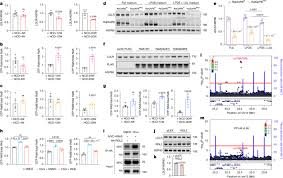
Researchers have identified a specific pathway regulated by Ral GTPases that acts as a coordinator for LDLR turnover. Here is the simplified breakdown of how this process works:
- n
- The Trigger: Chronic high dietary cholesterol activates RAS proteins, which in turn activate Ral proteins.
- The Routing: Once active, Ral directs the LDLR away from the cell surface and sends it straight to the lysosomes (the cell’s recycling center).
- The Destruction: Inside the lysosome, an enzyme called cathepsin A (CTSA) acts as the executioner, degrading the receptor and preventing it from clearing cholesterol from the blood.
Essentially, when we consume too much cholesterol, our bodies activate a mechanism that destroys the very tools needed to clean it up. This happens independently of the well-known PCSK9 protein, opening a completely new door for medical intervention.
Why This Matters for Your Heart Health
This isn’t just a laboratory curiosity; it has massive implications for the future of hypercholesterolemia treatment. By understanding this pathway, scientists have found a potential new target for medication.
The study demonstrates that pharmacological inhibition of CTSA (the enzyme that destroys the receptor) can increase the number of functioning LDLRs on the liver’s surface. The result? A significantly improved ability for the body to clear cholesterol, potentially reducing the risk of heart attacks and strokes.
The Future of Cardiovascular Therapy
While statins remain a cornerstone of treatment, not every patient responds to them equally. The identification of the Ral-CTSA pathway provides a roadmap for a new generation of therapies that could:
- Target specific genetic variants that make some people more prone to high cholesterol.
- Offer alternatives for patients who are intolerant to current cholesterol-lowering drugs.
- Provide a more nuanced approach to managing lipid levels based on nutritional cues.
For more information on maintaining healthy lipid levels, the American Heart Association provides excellent guidelines on diet and lifestyle changes to support your cardiovascular system.
Final Thought: Science is moving closer to a world where we don’t just treat the symptoms of high cholesterol, but precisely control the molecular machinery that governs our metabolic health.