Alibaba: The Ultimate Guide to Global Sourcing and Business Growth
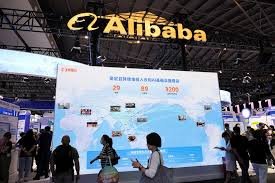
In the modern era of digital commerce, Alibaba has evolved from a simple directory of Chinese manufacturers into a global powerhouse that reshapes how businesses source products and scale their operations. Whether you are an aspiring entrepreneur starting a dropshipping venture or an established company looking to optimize your supply chain, understanding how to leverage Alibaba is crucial for success.
What is Alibaba?
At its core, Alibaba.com is the world’s largest B2B (business-to-business) marketplace. Unlike retail sites, Alibaba connects businesses with manufacturers and wholesalers, allowing for bulk purchases at factory prices. This direct access eliminates middlemen, significantly increasing profit margins for retailers worldwide.
Why Use Alibaba for Your Business?
The advantages of using Alibaba extend beyond just low costs. Here are the primary reasons why millions of businesses rely on this platform:
- n
- Unmatched Product Variety: From high-tech electronics to sustainable textiles, you can find virtually any product imaginable.
- Competitive Pricing: By sourcing directly from the source, you can negotiate prices that make your retail offering highly competitive.
- Customization (OEM/ODM): Many suppliers offer Private Label services, allowing you to put your own brand on existing products or create a custom design from scratch.
- Global Logistics Support: Alibaba provides integrated shipping and logistics solutions to move goods from the factory to your warehouse.
n
n
n
n
How to Find Reliable Suppliers on Alibaba
With millions of listings, the challenge is separating the top-tier manufacturers from unreliable traders. To ensure a safe transaction, follow these strategic steps:
- Filter by “Trade Assurance”: Always prioritize suppliers who offer Trade Assurance. This service protects your order from payment to delivery.
- Check “Verified Supplier” Status: Look for the Verified badge. These suppliers have been inspected by third-party companies to confirm their legal status and production capabilities.
- Analyze Company Profiles: Review the supplier’s years of experience, their primary markets, and their response rate.
- Request Samples: Never place a bulk order without testing a sample first. This is the only way to verify the actual quality of the material and craftsmanship.
- Communicate Clearly: Use the built-in chat to ask detailed questions about lead times, minimum order quantities (MOQ), and quality control processes.
n
n
n
n
n
Alibaba vs. AliExpress: What is the Difference?
Many beginners confuse these two platforms. While both are owned by the Alibaba Group, they serve entirely different purposes:
| Feature | Alibaba | AliExpress |
|---|---|---|
| Target Audience | B2B (Businesses) | B2C (Consumers) |
| Order Quantity | Bulk / Wholesale (High MOQ) | Single items (Low/No MOQ) |
| Pricing | Negotiable / Factory Price | Fixed Retail Price |
| Goal | Sourcing & Brand Building | Quick Shopping & Dropshipping |
Final Thoughts on Scaling with Alibaba
Mastering the art of sourcing on Alibaba can be a game-changer for your profit margins. By focusing on verified suppliers and utilizing Trade Assurance, you can mitigate risks and build a sustainable supply chain. As global trade continues to digitize, tools like these empower small businesses to compete on a global scale, bringing quality products to customers everywhere.
To learn more about the impact of e-commerce on global trade, check out the latest insights on Forbes Business.