
Red Flag Warning: What It Is and How to Stay Safe During Fire Weather
When you see a Red Flag Warning flashing across your weather app or local news, it is more than just a routine alert. It is a critical signal from meteorologists that the environment has become a tinderbox, significantly increasing the risk of wildfires starting and spreading rapidly.
Understanding the mechanics behind a red flag (fire weather) warning can be the difference between safety and disaster. In this guide, we break down what triggers these warnings and the essential steps you must take to protect your property and loved ones.
What Exactly is a Red Flag Warning?
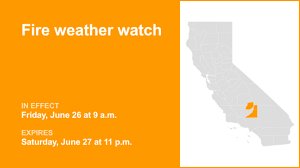
A Red Flag Warning is issued by the National Weather Service (NWS) when critical weather conditions are present that make the start and spread of wildfires highly likely. Unlike a “Fire Weather Watch,” which suggests that conditions might develop, a Warning means the danger is imminent or already occurring.
These alerts are typically issued when a combination of factors creates a high-risk environment, making vegetation extremely flammable and allowing any spark to ignite a massive blaze.
The “Perfect Storm”: What Triggers Fire Weather?
Fire weather isn’t caused by a single factor, but rather a lethal combination of atmospheric conditions. The three primary drivers are:
- n
- Low Relative Humidity: When the air is extremely dry, moisture is sucked out of plants, grass, and trees, turning them into “fuel.”
- Strong Winds: High winds not only provide more oxygen to a fire, helping it grow, but they also carry embers (spotting) far ahead of the main fire line, starting new fires instantly.
- Dry Vegetation (Fuel): Prolonged droughts or seasonal dryness leave dead leaves and dry brush scattered across the landscape, providing an easy path for fire to travel.
Essential Safety Tips During a Red Flag Warning
When a red flag warning is active in your area, prevention is your best defense. Follow these strategic precautions to minimize risk:
1. Avoid Outdoor Burning
This is the most critical rule. Avoid using backyard fire pits, burning brush, or using charcoal grills outdoors. Even a small ember carried by the wind can ignite a nearby dry patch of grass.
2. Be Cautious with Machinery
Equipment that generates heat or sparks—such as lawnmowers, chainsaws, or grinders—can accidentally start a fire if they hit a rock or dry debris. Limit heavy machinery use in grassy areas during these warnings.
3. Create a Defensible Space
Ensure the area immediately surrounding your home is clear of dead leaves, dry pine needles, and overgrown shrubs. Maintaining a “buffer zone” can help prevent a wildfire from reaching your structure.
4. Prepare an Emergency Evacuation Plan
Wildfires move unpredictably and incredibly fast. Ensure your family knows the primary and secondary evacuation routes and have a “go-bag” ready with essential documents, medications, and supplies.
Where to Get Real-Time Updates
Staying informed is key to survival. For the most accurate and up-to-date information regarding fire weather and evacuation orders, rely on official sources:
- n
- The National Weather Service (NWS): The primary source for all Red Flag Warnings.
- Ready.gov: Visit Ready.gov for comprehensive wildfire preparedness checklists.
- Local Emergency Management: Sign up for your county’s emergency alert system to receive text notifications on your phone.
Final Thoughts
A red flag (fire weather) warning is a call to action. By respecting the power of nature and taking proactive steps to eliminate ignition sources, you can significantly reduce the risk to your community. Stay vigilant, stay prepared, and always prioritize safety over convenience when the red flags are flying.



