
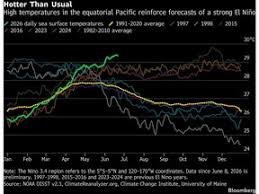
Super El Niño: What You Need to Know About This Powerful Climate Shift
Have you noticed the weather behaving unpredictably lately? From unexpected warmth during the peak of winter to devastating floods in distant lands, the culprit is often a powerful climate pattern known as Super El Niño. But what exactly makes an El Niño “super,” and why should Canadians and the rest of the world be paying attention?
What Exactly is Super El Niño?
At its core, El Niño is part of a larger cycle called the El Niño-Southern Oscillation (ENSO). It occurs when the surface waters in the central and eastern Pacific Ocean warm up significantly more than usual. When this warming is extreme and persists over a long period, it is classified as a “Super El Niño.”
This temperature shift doesn’t just stay in the ocean; it disrupts the atmosphere, altering jet streams and changing weather patterns thousands of kilometres away. According to NOAA (National Oceanic and Atmospheric Administration), these shifts can trigger a domino effect of climatic anomalies across the globe.
Global Consequences: From Droughts to Deluges
The impact of a Super El Niño is rarely uniform. Depending on where you are on the map, the effects can be polar opposites:
- n
- Extreme Precipitation: Regions like the southern United States and parts of South America often experience heavier rainfall and increased flooding.
- Severe Droughts: Conversely, Southeast Asia, Australia, and parts of Africa frequently face dry spells, leading to wildfires and agricultural crises.
- Oceanic Disruptions: The warming of the waters affects marine life, often causing mass coral bleaching and disrupting fish migrations, which impacts global food security.
How Does Super El Niño Affect Canada?
For those of us in Canada, a Super El Niño typically translates to a very specific set of weather shifts. While it doesn’t bring the same tropical storms seen in the south, the effects are still felt acutely:
1. Milder Winters: Western Canada often experiences warmer-than-average winter temperatures, which can lead to shorter skiing seasons and disrupted snow patterns.
2. Increased Precipitation: While the north stays cold, the west coast often sees an increase in rainfall and storm activity, increasing the risk of landslides and urban flooding.
3. Agricultural Shifts: Changes in temperature and moisture levels can alter crop yields, affecting everything from wheat production in the Prairies to fruit harvesting in the Okanagan Valley.
Preparing for the Unpredictable
While we cannot stop a Super El Niño, we can prepare for its volatility. Staying informed through reliable sources like NASA’s Earth Observatory and local environmental agencies is the first step toward resilience.
Whether it’s reinforcing home drainage systems for heavier rains or adjusting agricultural planning for a warmer winter, adaptability is key to navigating these climatic shifts.
Quick Summary: Super El Niño at a Glance
| Feature | Impact |
|---|---|
| Ocean Temp | Significant warming in Central/Eastern Pacific |
| Canada Effect | Milder winters, wetter West Coast |
| Global Risk | Extreme floods and severe droughts |
Stay tuned for more updates on climate trends and how they affect your community. Understanding the science of today helps us protect the environment of tomorrow.



