
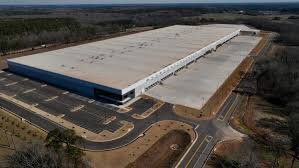
The Collapse of the ICE Mega-Warehouse Strategy
In a significant policy reversal, U.S. Immigration and Customs Enforcement (ICE) is stepping back from a highly controversial plan to convert massive industrial warehouses into immigrant detention centers. The initiative, which aimed to house up to 10,000 people at a single site, was a cornerstone of former Homeland Security Secretary Kristi Noem’s ambitious and costly expansion strategy.
The retreat comes after a wave of ice warehouse detention lawsuits, fierce community opposition, and glaring logistical failures that made the plan practically impossible to implement. Out of 11 warehouses purchased with a combined investment of over $1 billion, the federal government now plans to sell or transfer seven of them.
Why the Warehouse Plan Failed
The transition from industrial storage to human habitation proved to be a nightmare for federal planners. Several critical factors contributed to the failure of the project:
- n
- Infrastructure Collapse: Local officials in cities like Salt Lake City warned that existing water and sewage systems could not handle thousands of inhabitants. In some cases, ICE officials suggested trucking in water and hauling out sewage as a temporary fix.
- Legal Pushback: Multiple states and municipalities, including Michigan and suburbs of Detroit, filed lawsuits to block the conversion of these facilities, citing cruelty and lack of transparency.
- Financial Waste: Internal audits revealed that the Department of Homeland Security (DHS) paid exorbitant prices for these properties, sometimes doubling or even quintupling the assessed tax value.
- Lack of Transparency: Many communities only discovered the plans after the government had already purchased the land, sparking public outrage.
Impacted Cities and Current Status
The fallout of these ice warehouse detention lawsuits is visible across several states. In Romulus, Michigan, the government has agreed to sell a 249,000-square-foot warehouse, a move described by Michigan Attorney General Dana Nessel as the closing of an “ill-conceived” and “cruel” chapter.
Similarly, plans are unraveling in Social Circle, Georgia. Meanwhile, in El Paso, Texas, the strategy is shifting. Instead of a massive detention center for 8,500 people, the Socorro site is being reimagined as an “ICE campus,” combining a smaller number of detainees with administrative offices and training spaces.
A Shift Toward Existing Infrastructure
Markwayne Mullin, who succeeded Noem, quickly paused the acquisition of new warehouses upon taking office. Current DHS statements indicate a shift toward utilizing existing detention space through partnerships with state and county authorities.
Experts, including former ICE officials, argue that facilities housing over 2,000 people are inherently unstable and difficult to staff. The transition back to smaller, managed facilities is seen by many as a necessary step to avoid the total breakdown of detention operations.
Looking Ahead: The Legal Precedent
While many sites are being sold, the battle continues in places like Maryland, where lawsuits and environmental impact studies are still ongoing. The overarching lesson from these events is clear: the attempt to prioritize rapid expansion over infrastructure and human rights often leads to costly legal defeats and administrative chaos.
For more updates on immigration policy and federal litigation, stay tuned to reputable sources like the Associated Press.



