
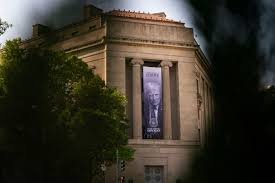
The Clash Between National Security and the First Amendment
In a significant victory for journalistic integrity, the U.S. Justice Department (DOJ) has withdrawn subpoenas previously issued to reporters from two of the most influential news organizations in the world: The Washington Post and The Wall Street Journal. This move comes after a clandestine legal struggle to protect anonymous sources and uphold the principles of a free press.
The conflict centered on national security leak probes, specifically regarding sensitive reports on military deliberations concerning Iran. While the government sought to uncover the identities of its insiders, the newsrooms fought back, viewing the subpoenas as an attempt to intimidate journalists and stifle essential reporting.
Behind the Scenes: The Pressure Campaign
Reports indicate that this legal aggression was not merely a routine investigation. Sources suggest that former President Donald Trump personally urged the acting Attorney General to pursue these subpoenas. In a striking detail, it is alleged that the President handed over a stack of articles with the word “Treason” written in Sharpie, accelerating the DOJ’s effort to hunt for leaks.
The targets of this pressure were journalists who provided prescient insights into the risks of military action in Iran. The Wall Street Journal described the government’s actions as a vigorous effort to “stifle and intimidate” the reporting process.
Key Takeaways from the Legal Battle:
- No Forced Testimony: Crucially, none of the journalists were compelled to reveal their anonymous sources.
- Strategic Withdrawal: The DOJ withdrew the subpoenas after facing strong legal challenges from the news organizations.
- Ongoing Vigilance: Despite the withdrawal, newsrooms remain on high alert, fearing that the subpoenas could be reissued in the future.
Why This Matters for Democracy
The notion that reporting on government policy—even classified information—amounts to “treason” has been widely condemned by press freedom advocates. The First Amendment of the U.S. Constitution serves as the bedrock for the media’s ability to question and investigate power without fear of government retaliation.
Matt Murray, executive editor of The Washington Post, emphasized the institution’s commitment to its mission in a memo to staff, stating that it is in the organization’s “DNA to question, investigate, uncover and report.”
Conclusion: A Precarious Balance
While the withdrawal of the DOJ reporter subpoenas is a relief, it highlights the precarious balance between national security interests and the right to a free press. As long as the government views leak investigations as a tool for political retaliation, the battle for journalistic protection will continue.
For more information on the legal protections afforded to journalists, you can visit the Reporters Committee for Freedom of the Press.



