
High-Stakes Diplomacy: A New Chapter in US-Iran Relations
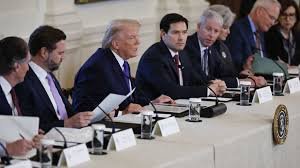
In a series of dramatic diplomatic maneuvers, officials from the United States, Iran, Pakistan, and Qatar recently gathered at the Bürgenstock mountain resort in Switzerland. The goal? To forge a comprehensive agreement that could finally bring an end to the devastating conflict between Washington and Tehran.
While the atmosphere remains tense, the negotiations have yielded several critical breakthroughs that could reshape the geopolitical landscape of the Middle East. Here is a deep dive into the most significant developments.
1. Stability in Lebanon and the “Deconfliction Cell”
One of the most urgent items on the agenda was the escalating violence in Lebanon. US Vice President JD Vance reported “progress” in the talks, leading to the creation of a “deconfliction cell”. This strategic unit, which includes Lebanese representation, aims to ensure a definitive cease-fire and prevent further military operations in the region.
2. Securing the Strait of Hormuz
The Strait of Hormuz, a vital artery for global energy supplies, has been a flashpoint of tension. To mitigate risks, the US and Iran have agreed to:
- n
- Ensure Safe Passage: A commitment to allow merchant vessels to transit without interference.
- Direct Communication: The establishment of a “hotline” between Washington and Tehran to resolve misunderstandings in real-time.
- Joint Oversight: Iran and Oman have formed a joint committee to manage the strait, a move that grants Tehran an unusual formal role in international maritime supervision.
n
n
n
3. Economic Relief: Oil Sanctions and Frozen Assets
In a move to incentivize peace, the Trump administration has signaled a temporary lift on Iranian oil sanctions. US Treasury Secretary Scott Bessent confirmed this shift, while Iranian Foreign Minister Abbas Araghchi noted that certain frozen assets abroad have begun to be unlocked. However, this financial aid comes with a strict condition: funds must be used exclusively for humanitarian supplies—such as corn, wheat, and soy—purchased from US farmers.
4. The Nuclear Tug-of-War
The most contentious issue remains Iran’s nuclear ambitions. President Donald Trump asserted on Truth Social that Iran has accepted “nuclear inspections of the highest level” indefinitely to ensure “nuclear honesty.”
Conversely, Tehran has been more cautious, stating that cooperation with the International Atomic Energy Agency (IAEA) will continue under “existing procedures.” This discrepancy highlights the fragile nature of the agreement, where wording can mean the difference between peace and a return to sanctions.
5. The “Alien” Tech: Iranian Drone Swarms
Adding a layer of mystery and alarm to the conflict, a rescued US F-15 pilot shared a chilling account of an encounter over Iran. The pilot described seeing “jellyfish-like” drone formations—multiple interconnected drones moving in perfect unison. Intelligence officials are now investigating whether this represents a massive leap in Iranian swarm technology, which could fundamentally alter aerial warfare.
Regional Skepticism and Humanitarian Costs
Despite the progress, allies in the Gulf—including the UAE, Bahrain, and Kuwait—remain skeptical. US Secretary of State Marco Rubio is visiting the region to reassure these nations that they will not be left vulnerable to a strengthened Iran. The concern is amplified by the fact that the current memorandum does not address Iran’s missile program.
Amidst these political shifts, tragedy struck in Qatar, where an industrial accident at the Ras Laffan LNG plant—the world’s largest—left 13 people dead. This incident serves as a grim reminder of the fragility of critical infrastructure in a region plagued by war.
Conclusion: The road to a permanent peace between the US and Iran is fraught with contradictions and mistrust. Whether this “framework agreement” leads to lasting stability or is merely a temporary pause remains to be seen.



