The Dance of Dragons Returns: Is Season 3 the Turning Point?
After a grueling two-year hiatus, the Targaryen dynasty returns to our screens. House of the Dragon Season 3 arrives with the weight of immense expectation, bringing back the complex web of Rhaenyra, Daemon, Aegon, and Aemond. But as the fire grows and the blood flows, a critical question emerges: does the series finally find its footing, or is it drowning in its own spectacle?
For many viewers, the wait has been a double-edged sword. While the anticipation builds, the long gaps between seasons have historically hampered the show’s momentum. However, the new season promises a shift in tone that might just save the series from the “spectacle trap.”
The ‘Andor Syndrome’: Spectacle vs. Substance
There is a phenomenon known as Andor Syndrome—the tendency for audiences to prefer a focused, intimate subset of a franchise over the bloated, CGI-heavy main event. For the first two seasons, House of the Dragon struggled with a surfeit of everything: too many similarly named characters, overly complex political maneuvering, and a reliance on dragon battles that occasionally felt more artificial than awe-inspiring.
The early episodes of Season 3 continue this trend, particularly with the Battle of the Gullet. While visually stunning, the heavy use of special effects sometimes strips the scene of its visceral impact. When every frame is filled with CG boats and dragons, the stakes can start to feel diminished.
The Breakthrough: When Westeros Gets Intimate
However, the season takes a brilliant turn in the third and fourth episodes. By scaling back the grandiosity and focusing on the human cost of power, the show finds a brilliance reminiscent of the early seasons of Game of Thrones.
These episodes shift the focus toward the “little people” of Westeros, highlighting the absurdity of the elite’s power struggles. It becomes less about who sits on the Iron Throne and more about the systemic failure of the institutions governing the realm. The result is a narrative that feels like a cross between Succession and The Wire, exploring budgetary crises and bureaucratic collapse amidst a fantasy backdrop.
Key Character Dynamics to Watch:
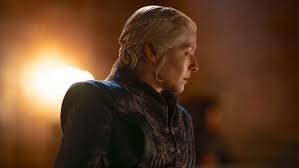
- Rhaenyra Targaryen: Emma D’Arcy delivers a career-best performance, showing a side of the Queen that is funny, off-kilter, and deeply tormented.
- Daemon Targaryen: Matt Smith continues to bring his signature charismatic energy, remaining a wild card in the political game.
- The Greens: A burnt and ambitious Aegon and a psychotic Aemond create a volatile opposition that keeps the tension high.
- New Faces: The introduction of characters like Ormund Hightower (played by James Norton) adds fresh layers of intrigue to the power junta.
Final Verdict: A Season of Contrasts
House of the Dragon Season 3 is a journey of contradictions. It fluctuates between mindless spectacle and profound political commentary. While the narrative occasionally feels rushed and the cast list remains daunting, the moments of intimacy and wit make it essential viewing.
If the series can maintain the intelligence and scale found in its mid-season episodes, it may evolve from a mere prequel into a definitive study of power and greed. Whether you are a die-hard fan of George R.R. Martin’s lore or a casual viewer, this season offers a fascinating look at the price of a crown.
Streaming Now on HBO Max.