
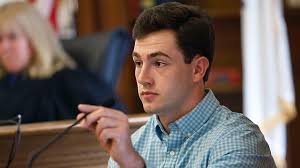
Courtroom Clash: Judge Warns Attorneys Against Social Media Sensationalism in Karen Read Case
The legal battle surrounding Karen Read has moved from the criminal courts to a high-stakes civil arena, and the tension is palpable. In a recent hearing at the Plymouth Superior Court, Judge Mark Gildea sent a clear and stern message to the legal teams involved: stop treating the courtroom like a social media feed.
At the heart of the conflict is a civil lawsuit filed by the family of John O’Keefe, who are seeking damages for wrongful death. While the criminal trial captured national attention, this civil proceeding is bringing new frictions to the surface, particularly regarding the conduct of the lawyers.
The Fight Over Depositions and Subpoenas
A significant portion of the recent hearing focused on the attempted deposition of Colin Albert. The legal maneuvering has been far from smooth, leading Judge Gildea to criticize the lack of professionalism in how subpoenas were handled.
The timeline revealed a frustrating gap: although notice of the deposition was given in February, the actual subpoena wasn’t issued until mid-April. When Read’s attorney, Aaron Rosenberg, cited “moving pieces” as the reason for the delay, the judge was unimpressed, questioning how such a critical step could be an “oversight” for months.
Military Service vs. Legal Obligations
The drama intensified when it was revealed that Colin Albert is currently attending basic training with the Army. His attorney argued that he would be unavailable until the fall. However, Judge Gildea rejected this timeline flatly, stating:
“Not going to happen… A subpoena needs to mean something.”
With the discovery deadline set for August 17, the court is insisting that a schedule be found immediately, regardless of the challenges posed by basic training.
Why This Case Matters for Wrongful Death Lawsuits
For anyone researching the role of a wrongful death attorney, this case serves as a masterclass in the complexities of civil litigation following a criminal acquittal. Even when a defendant is found not guilty in a criminal court, they can still be held liable in a civil court, where the burden of proof is lower (preponderance of evidence vs. beyond a reasonable doubt).
The Backdrop: From Criminal Trial to Civil Suit
To understand the current friction, one must look back at the criminal proceedings. The defense previously alleged that Colin Albert and others were involved in a fight with John O’Keefe—a former Boston police officer—prior to his death. While these theories were central to the defense’s strategy in the first trial, the retrial saw different rulings on the admissibility of this “third-party culprit” defense.
Key milestones in the case:
- n
- Criminal Outcome: Karen Read was acquitted of most charges, except for operating under the influence (OUI).
- Probation: Her one-year probation officially concluded recently.
- The Civil Pivot: The O’Keefe family is now pursuing a civil path to seek justice and accountability.
Final Thoughts: The Danger of ‘Trial by Social Media’
Judge Gildea’s frustration highlights a growing trend in modern law: the influence of the “court of public opinion.” By ordering attorneys to stop “pandering to social media,” the judge is attempting to strip away the sensationalism and return the focus to the facts of the law. As this case progresses toward the August discovery deadline, the legal community will be watching closely to see if the focus remains on the evidence or the headlines.



