Beyond the Pitch: The Deep Significance of Brazil vs. Haiti in World Cup 2026
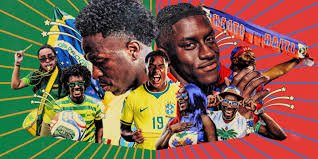
In the grand spectacle of the FIFA World Cup 2026, most fans look at the fixtures through the lens of rankings, tactics, and trophy predictions. However, one specific matchup captures a meaning that transcends the sport: Brazil vs. Haiti. Scheduled for June 19th, this game isn’t just about football—it is a profound intersection of history, identity, and resilience.
The Magic of June 19th: Juneteenth and Global Blackness
For those in the United States, June 19th is Juneteenth, a federal holiday commemorating the end of slavery in the U.S. When the Group C fixture puts Brazil and Haiti face-to-face on this specific date, it transforms the stadium into a sanctuary for the celebration of Blackness across the diaspora.
This encounter brings together two nations with pivotal roles in Black history:
- n
- Haiti: The world’s first sovereign Black nation and only the second in the Americas to gain independence (1804).
- Brazil: Home to the largest population of African descent outside of Africa, with a culture deeply rooted in Afro-Brazilian resistance.
Haiti: A Testament to Unyielding Resilience
Haiti’s journey to the World Cup is a story of survival. The team has faced unimaginable hurdles, including the aftermath of a devastating 2010 earthquake and recent political instability that saw gangs seize control of the national stadium in Port-au-Prince. Despite not being able to play qualifying matches on home soil, Haiti’s presence on the global stage is a victory in itself.
Whether it’s the rhythmic beats of Konpa music or the passionate cheers in Haitian Creole, the team carries the hopes of a nation that has historically faced systemic setbacks but never lost its spirit of innovation and finesse.
Brazil: The Rhythm of Resistance
Brazil’s footballing identity is inseparable from its African roots. From legends like Pelé and Ronaldo to modern stars like Vinicius Junior, the “Joga Bonito” style is a reflection of Afro-Brazilian heritage.
The history of Brazil is marked by a struggle against the policy of branqueamento (racial whitening), but the people responded through culture. Capoeira and Samba—born from West African musicality—were once criminalized but became the very heartbeat of the nation. When a Brazilian player dances after a goal, it is not mere celebration; it is a living act of resistance and a nod to ancestors who used dance to survive.
Why This Match Matters for the World
When Brazil and Haiti meet on the pitch, the world will see a reflection of diverse complexions, hair textures, and a shared swagger. From the streets of Salvador, Bahia, to the heart of Port-au-Prince, and from Atlanta to Paris, millions will watch not just for the scoreline, but to see their history honored.
The Brazil vs. Haiti clash serves as a reminder that sports can be a mirror for the human experience. It is a divine alignment of calendar and culture, proving that the beauty of the game lies in the stories we carry with us onto the grass.
Stay tuned for more updates on the FIFA World Cup 2026 and the stories that define the beautiful game.