
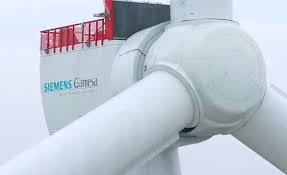
Wind Farms: How Harnessing the Wind is Revolutionizing Global Energy
As the world faces the urgent challenge of climate change, the transition to sustainable energy has shifted from a choice to a necessity. Among the most visible and effective solutions are wind farms. These sprawling landscapes of towering turbines are more than just engineering marvels; they are the engines of a green revolution, converting the natural power of the wind into clean, reliable electricity.
What Exactly is a Wind Farm?
A wind farm, also known as a wind power plant, is a group of wind turbines in the same location used to produce electricity. These installations can be found in diverse environments, from breezy plains to the depths of the ocean. By clustering turbines together, energy companies can maximize the efficiency of the land and the available wind currents, creating a powerhouse of renewable energy.
How Does a Wind Farm Generate Electricity?
The process of converting wind into power is a fascinating blend of physics and technology. Here is a step-by-step look at how it works:
- n
- Capturing the Breeze: Wind blows past the turbine’s blades, creating a pocket of low-pressure air that pulls the blade toward it, causing the rotor to spin.
- Mechanical Energy: The spinning blades turn a shaft connected to a gearbox, which increases the speed of rotation.
- Generation: This high-speed rotation powers a generator, where magnets and copper wire convert mechanical energy into electrical energy.
- Distribution: The electricity is then sent through a transformer to increase the voltage and is distributed across the power grid to homes and businesses.
The Major Benefits of Wind Energy
Integrating wind farms into the global energy mix offers a plethora of advantages that extend far beyond just lowering carbon emissions.
1. Environmental Sustainability
Unlike fossil fuels, wind energy produces zero greenhouse gas emissions during operation. By reducing our reliance on coal and gas, wind farms play a critical role in mitigating global warming and improving air quality.
2. Economic Growth and Job Creation
The renewable energy sector is a massive engine for employment. From the manufacturing of turbine components to the installation and long-term maintenance of wind farms, thousands of high-skilled jobs are being created globally.
3. Energy Independence
Wind power allows countries to generate their own electricity using local natural resources, reducing dependence on foreign oil and volatile energy markets.
Onshore vs. Offshore Wind Farms: What’s the Difference?
Depending on the geography, wind farms are generally categorized into two types:
| Feature | Onshore Wind Farms | Offshore Wind Farms |
|---|---|---|
| Location | On land (plains, hills) | In the ocean or coastal waters |
| Wind Speed | Variable and lower | Stronger and more consistent |
| Cost | Cheaper to build and maintain | Higher initial investment |
| Impact | Visual and noise impact on residents | Minimal visual impact; marine ecosystem considerations |
The Future of Wind Power
The technology behind the wind farm is evolving rapidly. We are seeing the rise of “smart turbines” that use AI to adjust their angle based on real-time wind patterns, maximizing efficiency. Furthermore, innovations in energy storage, such as large-scale batteries, are solving the problem of intermittency, ensuring that power is available even when the wind stops blowing.
For those interested in the global scale of this transition, the International Energy Agency (IEA) provides extensive data on how renewable sources are outpacing traditional fuels.
Conclusion
Wind farms represent one of the most scalable and efficient ways to power our world without destroying it. By investing in this technology, we are not just generating electricity; we are investing in a breathable, sustainable future for generations to come. As we continue to innovate, the wind will undoubtedly remain a cornerstone of the global energy transition.
Want to learn more about how renewable energy works? Explore the educational resources at National Geographic Environment to see how nature and technology coexist.



