
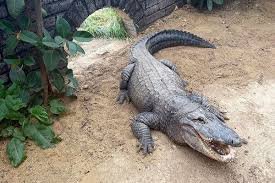
Unveiling the Mystery of Crocodiles: Nature’s Living Dinosaurs
For millions of years, crocodiles have reigned as the undisputed kings of the waterways. These formidable reptiles are not just predators; they are biological masterpieces of evolution, having survived mass extinctions that wiped out the dinosaurs. But what exactly makes these creatures so fascinating and feared?
In this comprehensive guide, we dive deep into the behavior, anatomy, and diversity of crocodiles to understand their role in our global ecosystem.
The Most Dominant Species of Crocodiles
While many people use the terms “alligator” and “crocodile” interchangeably, they belong to different families. Crocodiles are generally larger, more aggressive, and have a more prominent snout.
- n
- Saltwater Crocodile: The largest living reptile on Earth. Found in Southeast Asia and Australia, these giants are known for their immense size and strength.
- Nile Crocodile: One of the most dangerous predators in Africa, famous for its stealth and powerful ambush tactics.
- American Crocodile: Primarily found in South Florida and Central America, these are slightly more docile than their saltwater cousins but still apex predators.
Superpowers of the Apex Predator
Crocodiles possess a suite of adaptations that make them nearly invincible in their natural habitat. One of the most impressive is their bite force. The saltwater crocodile, for instance, possesses one of the strongest bites ever recorded in the animal kingdom, allowing it to crush bone and shells with ease.
Beyond their strength, their sensory organs are highly tuned. They have specialized receptors along their jaws that can detect minute pressure changes in the water, allowing them to locate prey even in complete darkness.
Crocodiles vs. Alligators: What’s the Difference?
If you’re wondering how to tell them apart, look at the snout and the teeth:
- The Snout: Crocodiles have a V-shaped snout, while alligators have a wider, U-shaped snout.
- The Teeth: When a crocodile closes its mouth, the fourth tooth on the lower jaw remains visible. In alligators, the lower teeth are hidden.
- Habitat: Crocodiles can tolerate saltwater much better than alligators, which prefer freshwater environments.
Conservation and the Future of the Species
Despite their fearsome reputation, many crocodile species face threats from habitat loss and illegal poaching for their skin. Protecting these animals is crucial because they are keystone species; they maintain the balance of the aquatic ecosystems they inhabit.
To learn more about global efforts to protect these reptiles, you can visit the World Wildlife Fund (WWF) or explore the detailed biological archives at National Geographic.
Conclusion
Crocodiles are a testament to the resilience of life on Earth. From their prehistoric origins to their role as modern apex predators, they continue to evoke a mixture of fear and admiration. By respecting their territory and supporting conservation efforts, we can ensure these living fossils continue to roam the wild for millions of years to come.



