
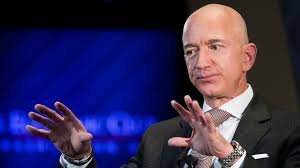
Beyond the Billionaire’s Portfolio: The Struggle for the Washington Post
Jeff Bezos is a master of scale. From the global dominance of Amazon to strategic acquisitions like Twitch and Whole Foods, his track record for turning capital into power is legendary. However, even the world’s most successful investors face “whammies.” While the collapse of Pets.com was once described by Bezos as a “root canal without anesthesia,” a new revelation suggests he has found an even more painful venture.
The Clash Between Tech Titan and Tradition
According to the upcoming book Regime Change: Inside the Imperial Presidency of Donald Trump by New York Times journalists Jonathan Swan and Maggie Haberman, Bezos views his ownership of The Washington Post as the worst investment of his life. The friction isn’t just financial; it’s cultural.
During a December 2024 dinner with Donald Trump, Bezos reportedly expressed deep frustration with the newsroom’s autonomy. The people there are terrible,
Bezos allegedly griped, complaining that unlike his other companies, the Post staff don’t listen.
Editorial Interference and a Shift in Direction
The tension between ownership and journalistic integrity reached a boiling point leading up to the November 2024 election. Reports indicate that Bezos personally intervened to block a pre-written endorsement of Kamala Harris, signaling a hard pivot in the paper’s ideological leaning.
By February 2025, following massive staff reductions, Bezos signaled a new era for the publication’s opinion section, focusing on two primary pillars:
- n
- Personal Liberties: A shift toward individualistic rights.
- Free Markets: Stronger advocacy for capitalist principles.
The Heavy Price of Media Ownership
The financial toll has been staggering. With The Washington Post reporting losses of approximately $100 million in 2024, the business reality led to the layoff of over 300 employees. But beyond the balance sheet, the investment took a personal toll. Swan and Haberman reveal that the acquisition caused significant friction in Bezos’s social circles, with some claiming he lost a substantial number of friends over the venture.
Conclusion: A Lesson in Media Independence
The saga of Jeff Bezos and The Washington Post highlights the precarious balance between billionaire ownership and the autonomy required for high-quality journalism. When a newsroom is treated like a tech startup, the resulting clash often leads to a loss of both subscribers and institutional credibility.
For more insights on how tech giants are reshaping the media landscape, you can explore the latest reports on The New York Times regarding corporate ownership of the press.



