
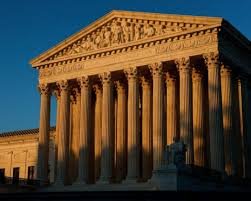
The Final Countdown: How the Supreme Court of the United States is Shaping the Future of Immigration
As the current term draws to a close, the Supreme Court of the United States is preparing to deliver several landmark judgments that could fundamentally redefine the landscape of American immigration and foreign policy. For millions of residents and legal scholars, the stakes have never been higher.
Historically, the most consequential cases are reserved for the end of the term (typically between October and late June). This year is no exception, with the court weighing in on key pillars of Donald Trump’s immigration agenda.
The Battle Over Birthright Citizenship
One of the most contentious issues currently on the docket is the attempt to limit birthright citizenship. The proposal seeks to ban citizenship for children born in the U.S. to undocumented immigrants or temporary residents.
This challenge strikes at the heart of the 14th Amendment. Adam Strom, co-founder of Reimagining Migration, emphasizes that birthright citizenship is not just a legal technicality but a cornerstone of American identity: “The idea that where you are born, not where your parents came from, determines your belonging to this nation,” Strom notes.
Temporary Protected Status (TPS) Under Review
Beyond citizenship, the Supreme Court of the United States must decide the fate of Temporary Protected Status (TPS). This legal protection has allowed thousands of Haitian and Syrian immigrants to live and work legally within U.S. borders.
- n
- The Conflict: The administration seeks the authority to terminate these protections.
- The Impact: A ruling against TPS could lead to the immediate displacement of thousands of families who have integrated into American society.
For more details on how the court operates, you can visit the official Supreme Court of the United States website.
Diplomatic Shockwaves: The 14-Point Iran Agreement
While the courts handle domestic policy, the executive branch has sparked a political firestorm with a new 14-point agreement with Iran. Signed at the historic Palace of Versailles, the deal aims to reopen the Strait of Hormuz and prevent a global economic depression.
A “Major Win” or a “National Security Blunder”?
The agreement has polarized Washington. While Donald Trump hails the deal as a strategic victory, critics argue the concessions are too steep. Key points of contention include:
- Financial Concessions: The release of frozen assets and a $300 billion reconstruction fund for Iran.
- Nuclear Ambitions: Concerns that the deal provides sanctions relief without a verifiable guarantee that Iran will abandon its nuclear program.
- Political Fallout: Figures like Senator Ted Cruz and former official Susan Rice have labeled the move a significant national security failure.
The deal, which will be formally signed in Geneva by Vice President JD Vance, echoes the complexities of past international treaties, leaving many to wonder if the peace it brings will be as short-lived as the Treaty of Versailles in 1919.
What to Expect Next
The coming days will be pivotal. As the Supreme Court of the United States renders its decisions, the legal precedent set will likely influence U.S. immigration policy for decades to come. Meanwhile, the geopolitical ramifications of the Iran deal will continue to test the stability of international relations.
Stay tuned to AP News for real-time updates on these developing legal and political stories.



