
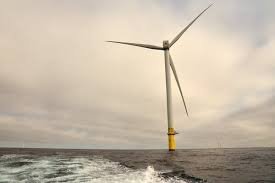
The Future of Energy: How Wind Farms are Powering a Greener Tomorrow
As the world faces the urgent challenge of climate change, the transition to sustainable energy has never been more critical. Among the most visible and effective solutions are wind farms—massive installations of wind turbines that harness the natural power of the atmosphere to generate clean electricity.
But what exactly goes into a wind farm, and why are they becoming the backbone of the global energy transition? Let’s dive into the mechanics, the benefits, and the future of wind energy.
What Exactly is a Wind Farm?
A wind farm, also known as a wind power plant, is a group of wind turbines in the same location used to produce electricity. Unlike traditional power plants that burn fossil fuels, wind farms use the kinetic energy of moving air. When wind blows past the turbine’s blades, it creates lift, causing them to rotate. This rotation turns a shaft connected to a generator, which then converts that mechanical energy into electrical power.
Onshore vs. Offshore Wind Farms: What’s the Difference?
Depending on the geography, wind farms are generally categorized into two types:
- n
- Onshore Wind Farms: These are located on land. They are generally cheaper to build and maintain and are often found in hilly or open plains where wind speeds are consistently high.
- Offshore Wind Farms: These are constructed in bodies of water, usually on the coast. While more expensive to install, offshore winds are typically stronger and more consistent, allowing for much larger turbines and significantly higher energy yields.
The Key Benefits of Wind Energy
Switching to wind power isn’t just about reducing carbon emissions; it’s about building a more resilient economy. Here are the primary advantages:
- n
- Zero Emissions: Once operational, wind turbines produce no greenhouse gases or air pollutants.
- Sustainability: Wind is an infinite resource. As long as the sun heats the earth, the wind will blow.
- Economic Growth: The International Energy Agency (IEA) highlights that the renewable sector is a massive driver for job creation, from engineering to local maintenance.
- Energy Independence: Countries can reduce their reliance on imported fossil fuels by leveraging their own natural wind resources.
Overcoming the Challenges
Despite the benefits, wind farms aren’t without their hurdles. Critics often point to visual pollution and noise levels. Furthermore, there are environmental concerns regarding bird and bat migrations.
However, technology is evolving rapidly. Modern turbine designs are becoming quieter, and AI-driven sensors are being implemented to detect approaching wildlife, automatically slowing down turbines to prevent collisions. This ensures that the path to a green future remains ecological and ethical.
Conclusion: A Breath of Fresh Air for the Planet
Wind farms represent more than just industrial machinery; they are symbols of human ingenuity and our commitment to the Earth. By integrating wind power with other renewables like solar and hydro, we are moving toward a grid that is clean, efficient, and sustainable.
As we look toward 2050, the expansion of wind energy will be pivotal in achieving net-zero emissions and ensuring a livable planet for future generations.



