
Extreme Heat Warning: San Joaquin Valley Braces for Triple-Digit Temperatures
The San Joaquin Valley is currently locked in a scorching grip, as a relentless heatwave pushes temperatures well above the norm. For residents across the region, the heat isn’t just a temporary spike—it’s a sustained period of intensity that has many looking toward the calendar for the first signs of relief.
The Triple-Digit Reality: Which Cities are Hit Hardest?
Recent readings have shown a consistent pattern of soaring temperatures, with several cities crossing the dreaded 100-degree mark. This isn’t just a one-day event; Fresno, for instance, has faced three consecutive days of triple-digit highs.
Here is a breakdown of the peak temperatures recently recorded across the valley:
- n
- Visalia: 104°F
- Fresno & Porterville: 103°F
- Hanford & Merced: 102°F
- Madera: 100°F
What’s Driving This Intense Heat?
The primary culprit behind this extreme heat warning is a strong system of upper-level high pressure sitting over California. This atmospheric “dome” traps heat and prevents cooler air from moving in, creating a pressure cooker effect across the valley.
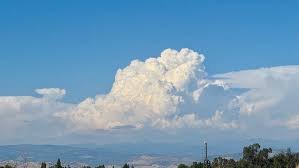
While we’ve seen some spectacular cumulus clouds and isolated thunderstorms over the Sierra Nevada, the air remains too dry and the high pressure too dominant for these storms to bring significant rainfall or cooling to the valley floor.
When Will the Relief Arrive?
The good news is that the high-pressure system will eventually weaken. While the cooling process will be slow at first—with temperatures hovering around 100°F for the next few days—a more significant shift is expected by the end of the week.
As we approach next weekend, temperatures are forecasted to drop back to near-average levels. We are looking at highs near 90°F, just in time for Father’s Day and the Summer Solstice. It seems the arrival of Summer will bring a brief, welcome dip in temperature before the seasonal norms take over.
Staying Safe During a Heatwave
When an extreme heat warning is in effect, it is crucial to take precautions to avoid heat-related illnesses. Ensure you stay hydrated, avoid outdoor activities during the peak afternoon sun, and check on elderly neighbors.
For real-time updates and official safety guidelines, you can visit the National Weather Service (NWS) to stay informed about your local area.



