Beyond the Cynicism: Jason Bateman’s Creative Evolution
Jason Bateman has spent decades perfecting the art of the “sardonic everyman.” From the dysfunctional dynamics of Arrested Development to the tense atmosphere of Ozark, he has become the gold standard for characters who are just one step away from a nervous breakdown. However, his latest venture, DTF St. Louis on HBO Max, marks a daring departure from his established persona.
The Vulnerability of DTF St. Louis
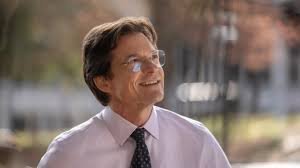
In DTF St. Louis, Bateman steps into the shoes of Clark, a guileless weatherman caught in a complex murder mystery. Unlike the sharp-tongued characters he usually portrays, Clark is defined by his warmth, naivety, and genuine vulnerability.
Bateman admits that this role was a breath of fresh air. While the script initially presented a bit more vanity in the character, Bateman pushed for a softer, “aw shucks” approach. This choice allowed him to lean into a level of human sincerity that is rarely seen in his work, creating a captivating chemistry with co-stars David Harbour and Linda Cardellini.
A Directorial Powerhouse in the Making
Bateman isn’t just mastering the craft in front of the camera; he is becoming a force behind it. He recently produced and directed Netflix’s Black Rabbit, a gritty tale of gambling and rivalry starring Jude Law. His directorial instincts have already garnered attention, earning him nominations from the DGA and Actor Awards.
His upcoming slate is equally ambitious:
- The Cackling of the Dodos: A dark comedy featuring the powerhouse duo of Woody Harrelson and Sam Rockwell.
- The Partner: An adaptation of the John Grisham novel starring Tom Holland. Bateman envisions this as a modern thriller—a “stew” of Jason Bourne and Michael Clayton.
Wisdom from the Set: Lessons from a Legend
Success in Hollywood isn’t just about talent; it’s about temperament. Bateman emphasizes the importance of kindness on set, recalling how his early experience on Little House on the Prairie taught him that being disruptive or arrogant is the quickest way to ruin a fragile creative environment.
Perhaps the most pivotal moment of his career came from a chance encounter with the legendary Katharine Hepburn. While filming a CBS movie, Bateman was pushing too hard to evoke emotion in a scene. Hepburn stopped the take and gave him the best advice he ever received: “Stop acting!”
“Just be human and say the words… Don’t act emotional.”
This lesson in economy and authenticity has shaped Bateman’s approach to every role since, guiding him to find the truth in a character rather than forcing a performance.
The Man Behind the Mask
When he isn’t navigating the complexities of a murder mystery in St. Louis or directing A-list stars, Bateman’s personal tastes reveal a man of contrasting interests. A lover of classical music and a fan of British humor (influenced by his mother), he finds solace in the dry wit of Fawlty Towers and the meticulous direction of David Fincher.
Interestingly, his “guilty pleasure” is a mix of the extreme and the mundane—from the survivalist intensity of the show Alone to the surreal, almost fictional narrative of modern politics, which he views as a high-stakes drama with an unpredictable finale.
Whether he is playing a naive weatherman in DTF St. Louis or steering a high-budget thriller, Jason Bateman continues to prove that the most powerful tool an actor possesses is the ability to be real.