
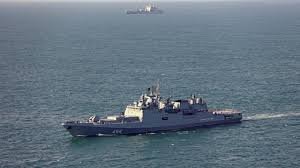
Naval Movements and Geopolitical Friction: Russian Warships in the English Channel
The presence of Russian warships in the English Channel has long been a flashpoint for international tension. As one of the world’s busiest shipping lanes, the narrow stretch of water separating England from mainland Europe is not just a commercial artery but a strategic military zone. When Russian naval vessels transit these waters, it is rarely just a routine voyage; it is often viewed as a calculated display of power and a test of Western resolve.
For Canada and its NATO allies, these movements are closely monitored. The intersection of maritime law and national security creates a complex dance between the UK Royal Navy and the Russian Federation’s naval forces.
The Strategic Importance of the English Channel
Why does the English Channel matter so much in the context of modern naval warfare? The answer lies in its geography. The channel serves as a critical gateway to the North Sea and the Atlantic Ocean. Any significant military presence here can potentially:
- n
- Monitor NATO communications: Naval vessels often carry advanced electronic intelligence (ELINT) equipment to intercept signals.
- Test Response Times: By sailing close to UK and French coasts, Russia can gauge how quickly NATO forces mobilize.
- Signal Geopolitical Strength: These transits serve as a reminder of Russia’s ability to project power far from its home ports.
NATO’s Response and the Role of Collective Defence
Whenever Russian warships are spotted in the English Channel, the response is swift and coordinated. Under the framework of NATO’s collective defence, allied nations share intelligence in real-time to ensure that these movements do not escalate into unplanned confrontations.
The Royal Navy typically employs “shadowing” tactics, where allied destroyers or frigates maintain a close watch on the Russian vessels. This ensures that the vessels adhere to international maritime laws and do not veer into restricted territorial waters.
Why This Matters Today: The Broader Context
The increased frequency of these encounters is not happening in a vacuum. With ongoing conflicts in Eastern Europe and shifting alliances in the Arctic, the English Channel has become a secondary theatre for psychological warfare. The goal is often to create a sense of vulnerability within Western borders, challenging the notion of undisputed maritime security in the North Atlantic.
As we analyze these trends, it becomes clear that the stability of the English Channel is intrinsically linked to global peace. The ability of international bodies to manage these tensions without escalating to open conflict remains the primary objective for diplomats and military strategists alike.
Key Takeaways on Naval Tensions
To summarize the current situation regarding Russian naval activity in the region:
- Monitoring: Constant surveillance by NATO and the UK.
- Intent: A mix of intelligence gathering and political signalling.
- Risk: High potential for miscalculation, requiring strict adherence to maritime protocols.
For more detailed analysis on international security and maritime law, you can visit BBC News for the latest updates on global defence movements.



