
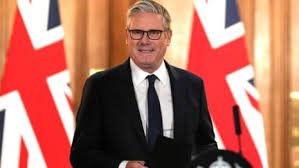
The Great Digital Divide: UK Government Moves to Ban Social Media for Under-16s
In a move that has sent shockwaves through the tech industry, the UK government has announced a sweeping plan to ban children under the age of 16 from accessing major social media platforms. Prime Minister Keir Starmer, citing the urgent need to protect the mental health and safety of the youth, is pushing for these restrictions to be enacted by next spring.
The proposal aims to tackle systemic issues such as cyberbullying and the detrimental impact of algorithmic feeds on adolescent psychology. However, the move has sparked a fierce debate between legislative goals and the practicalities of the digital age.
The Tech Giants Strike Back: A Warning of ‘Less Safe Services’
The world’s largest technology companies are not staying silent. Meta, YouTube, and Snapchat have all issued warnings that a blanket ban could have the opposite of the intended effect. Their primary concern? Driving teenagers toward unregulated, anonymous, and potentially more harmful platforms.
- n
- Meta (Facebook & Instagram): Argues that bans risk isolating teens from supportive online communities and push them toward alternatives that lack robust parental controls.
- YouTube: Claims that removing kids from curated and supervised experiences pushes them toward “anonymous, less-safe services.”
- Snapchat: Highlights that since much of their usage is private messaging between family and friends, a ban disconnects vital relationships without necessarily increasing safety.
What Exactly is Being Banned?
The government initiative goes beyond a simple age restriction. The plan is comprehensive and targets several areas of digital interaction:
- Major Platforms: Under-16s will be prohibited from downloading and using TikTok, Instagram, Facebook, X (formerly Twitter), YouTube, and Snapchat.
- Livestreaming: A total ban on under-16s livestreaming themselves to the public.
- Gaming Apps: New restrictions on gaming platforms to remove the ability to chat with strangers.
- AI Chatbots: Under-18s will be blocked from using romantic chatbots designed to simulate sexual relationships.
Values Over Circumvention: Starmer’s Stance
Critics argue that teenagers will simply find ways to bypass these laws—much like they have in Australia. However, Prime Minister Keir Starmer views the law as more than just a technical barrier; he sees it as a statement of societal values.
“Our laws are rules, but they’re also an expression of our values. They shape the social contract… it will change the conversations that parents have and the expectations of children over time.” — Keir Starmer
Starmer compared the social media ban to the legal age for purchasing alcohol, arguing that the possibility of some individuals breaking the law does not justify the absence of the law itself.
A Win for Child Safety Campaigners
While tech companies worry about user metrics and safety gaps, bereaved parents and child safety advocates are celebrating. Many who have lost children to online harms believe this is a necessary step to save lives. For these families, the risk of “unregulated alternatives” is a small price to pay for removing the primary engines of digital harassment and mental health decline.
For more information on the global impact of technology on youth, you can explore the World Health Organization’s guidelines on adolescent health or follow the latest legislative updates via the BBC News.
Conclusion: Protection or Isolation?
As the government moves forward with this legislation, the world will be watching to see if the UK can successfully decouple childhood from the addictive nature of social media. Whether this results in a happier, safer generation or a more secretive digital underground remains to be seen.



