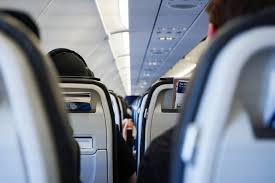
The Ultimate Airplane Dilemma: The Battle of the Reclining Seat
We’ve all been there. You’ve finally settled into your airplane seat, you’ve got your headphones on, and you’re ready to dive into a movie. Suddenly, the seat in front of you tilts back, slashing your legroom in half and pushing the screen dangerously close to your nose. Welcome to one of the most heated debates in modern travel: the ethics of the recline.
Whether you’re a “recline diva” or a staunch defender of upright seating, the tension in the cabin is real. From verbal arguments to passive-aggressive sighs, the reclining seat has become a symbol of the struggle for comfort in an increasingly crowded sky.
The Anti-Recline Argument: “We’re All Uncomfortable!”
For many passengers, reclining is seen as a selfish act. The primary grievances usually center around three main points:
- The Legroom Crisis: For tall passengers, a reclining seat in front can make the space feel claustrophobic, leaving virtually no room for knees.
- The Screen Struggle: When the seat tilts, the entertainment screen can end up right in the passenger’s face, making it nearly impossible to watch a film.
- The Tray Table Trouble: Short passengers often struggle to use their tray tables comfortably if the person in front has reclined, leading to meals balanced precariously on their laps.
As some argue, since school buses and tour buses don’t offer reclining seats for hours-long trips, why should airplane passengers expect luxury at the expense of their neighbor’s sanity?
The Pro-Recline Defense: “I Paid for This Seat”
On the flip side, the pro-recline camp views the feature as a basic right. After all, the seat was designed to recline, and the passenger paid for that specific ticket.
Key justifications include:
- Physical Necessity: For those with disabilities, chronic pain, or extreme height, reclining isn’t a luxury—it’s a requirement for health and comfort.
- The Long Haul: On red-eye flights or international journeys lasting 30+ hours, sleep is essential. Trying to sleep bolt-upright is a recipe for a miserable arrival.
- The Right to Comfort: The simple logic that if the airline provides the button, the passenger is entitled to use it.
Finding Common Ground: The Unwritten Rules of Flight Etiquette
Is there a middle ground? Most seasoned travelers agree that while reclining is acceptable, there are some “golden rules” that should be followed to maintain peace in the cabin:
- The “Heads-Up” Rule: A quick glance back or a polite “Excuse me, I’m going to recline” can prevent a lot of resentment.
- The Mealtime Truce: Almost everyone agrees: do not recline during meal service. Pushing a tray table into someone’s chest while they are eating is a fast track to a cabin confrontation.
- The Short-Flight Pass: On flights under two hours, consider staying upright as a courtesy to your fellow passengers.
The Real Villain: Airline Overcrowding
While passengers fight over inches, many point out that the real issue is the industry itself. Airlines continue to shrink seat pitches and cram more rows into the same space to maximize profit. According to travel experts and industry analysts, the lack of space is what transforms a simple seat adjustment into a social conflict.
Some suggest that airlines should implement dedicated “non-reclining” sections for those who prefer more stability, or simply stop sacrificing legroom for capacity.
Beyond the Seat: Other Airplane Pet Peeves
Reclining isn’t the only thing causing friction at 30,000 feet. Other common frustrations include:
- The “Gate Jumpers”: People who leap up the moment the plane touches the gate, despite the pilot not even being in park.
- The Sensory Offenders: Those who take their shoes off, let their hair cover the screen behind them, or play audio without headphones.
- The Space Invaders: “Manspreading” in a confined economy cabin is a perennial complaint.
For more tips on how to handle travel stress and improve your journey, check out the TripAdvisor Community forums for real-world traveler advice.
What’s your take? Are you Team Recline or Team Upright? Let us know in the comments!