
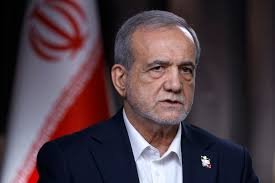
Masoud Pezeshkian: The Moderate Struggle in a Time of War
In a striking gesture of simplicity and conservation, Iranian President Masoud Pezeshkian recently asked officials in Tehran to ditch their blazers during a meeting on the nation’s water crisis. Choosing a short-sleeved polo shirt over air conditioning, Pezeshkian aimed to symbolize energy conservation during a time of war. However, in the rigid political climate of the Islamic Republic, a simple change of clothes became a lightning rod for controversy.
Hardline politicians condemned the attire as unorthodox, while activists pointed to a double standard: ordinary citizens would likely face penalties for such a breach of dress code. This incident is a microcosm of Pezeshkian’s entire presidency—a constant balancing act between moderate sensibilities and an uncompromising regime.
An “Accidental” President in a Turbulent Era
Masoud Pezeshkian did not ascend to power through a traditional political trajectory. Initially viewed by many as a placeholder following the tragic death of his predecessor, Ebrahim Raisi, in a 2024 helicopter crash, Pezeshkian has evolved into an unlikely survivor. He is leading Iran through one of the most volatile periods in its history, facing pressures from both internal hardliners and external adversaries.
Despite persistent rumors of resignation—some sparked by reports from outlets like Iran International—Pezeshkian has remained in office. His survival is attributed to a strategy of “excessive fealty” to the supreme leadership, a move that has allowed him to keep his cabinet intact while quietly advancing a more moderate tone.
The Power Paradox: Influence vs. Authority
While Pezeshkian technically holds the second-most powerful position in Iran, the reality is far more complex. The influence of the presidency has diminished, with critical strategic decisions shifting toward the Islamic Revolutionary Guard Corps (IRGC) and the Supreme National Security Council, especially following the death of Supreme Leader Ayatollah Ali Khamenei.
Pezeshkian’s brand is one of humility and relatability, which has resonated with a population exhausted by iron-fisted rule. For many Iranians, especially the youth, he represents a glimmer of hope for:
- n
- Social Freedoms: A desire for a more open society and restored internet access.
- Economic Stability: Addressing a currency so devalued that zeros have been removed from the rial for simplicity.
- Diplomatic Flexibility: A shift toward patient diplomacy to end international isolation.
Navigating the US-Iran Conflict
The geopolitical stakes have never been higher. With reports of a “strong memorandum of understanding” and ceasefire discussions involving the United States, Pezeshkian finds himself at a crossroads. While U.S. leadership has suggested an end to active hostilities, the domestic fallout in Iran is just beginning.
Pezeshkian has already shown a willingness to deviate from the hardline script, offering public apologies to neighboring countries for military strikes and fighting to lift internet blackouts. These actions have earned him a degree of public credibility, even as they alienate the regime’s ultra-conservatives.
A Systemic Challenge
Despite his efforts to be a “breath of fresh air,” Pezeshkian’s tenure is marred by the systemic failures of the state. From the deadliest crackdowns on protesters to catastrophic droughts and lethal air pollution in Tehran, the challenges are structural rather than individual.
As the region looks toward a precarious peace, the world watches to see if Masoud Pezeshkian can truly transform the Iranian presidency from a managerial role into a vehicle for real reform, or if he will remain a moderate face for an immovable system. For more on the current geopolitical climate, you can follow updates from the Council on Foreign Relations.



