
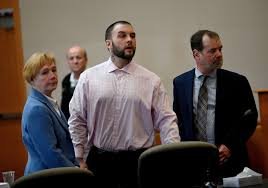
Adam Montgomery: New Hampshire Supreme Court Overturns Murder Conviction in Shocking Case
In a legal development that has sent shockwaves through the community, the New Hampshire Supreme Court has overturned the murder conviction of Adam Montgomery. The decision comes after a review of the trial involving the tragic death of his 5-year-old daughter, Harmony Montgomery.
While the ruling may seem like a victory for the defense, the legal nuances of this case highlight a critical tension between procedural fairness and the pursuit of justice for victims of extreme abuse.
Why Was Adam Montgomery’s Conviction Overturned?
The high court cited a procedural flaw as the primary reason for reversing the murder charge. In 2024, Montgomery was convicted of second-degree murder and second-degree assault. However, the Supreme Court ruled that attempting both charges in a single trial jeopardized Montgomery’s right to a fair trial.
Pamela E. Phelan, the public defender representing Montgomery, emphasized that this decision is about the integrity of the judicial system. According to Phelan, justice is only truly served when the accused is provided a fair and just trial, regardless of the severity of the crime.
What Charges Still Stand?
It is important to note that Adam Montgomery is not walking free. While the murder conviction was reversed, the Supreme Court affirmed his convictions for several other serious offenses, including:
- n
- Assault: Based on previous incidents of physical abuse.
- Falsifying Physical Evidence: Related to the concealment of the crime.
- Witness Tampering: Attempting to influence testimony.
- Abuse of a Corpse: Regarding the horrific treatment of his daughter’s remains.
Additionally, this ruling does not affect the decades-long prison sentence Montgomery received in 2023 for unrelated firearms offenses.
The Heartbreaking Tragedy of Harmony Montgomery
The case of Harmony Montgomery is more than a legal battle; it is a symbol of systemic failure. In 2018, Harmony’s mother, Crystal Sorey, lost custody due to substance misuse. Despite Sorey’s pleas to keep the child with a foster family, a Massachusetts judge awarded custody to Adam Montgomery, ignoring his violent criminal history.
In December 2019, Harmony was beaten to death while living in a car in Manchester, N.H. The horror didn’t end there; Montgomery hid her remains in various locations, including the ceiling of a homeless shelter and a commercial freezer. To this day, Harmony’s remains have never been recovered.
Civil Liability and Financial Consequences
Beyond the criminal courts, the legal system has held Montgomery accountable through civil litigation. In May, he was found civilly liable for his daughter’s death and ordered to pay nearly $15.5 million in damages to Harmony’s estate as part of a wrongful death lawsuit.
For more information on how the legal system handles child protection and judicial appeals, you can visit the official New Hampshire Judicial Branch website.
Final Thoughts on Justice and Reform
The Adam Montgomery case has sparked urgent calls for reform in child protection services across both New Hampshire and Massachusetts. It serves as a grim reminder that procedural errors in court can lead to complex outcomes, but the human cost of systemic failure is far more permanent.



