
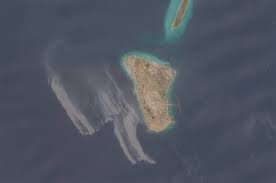
Tensions Escalate: The Strategic Threat to Kharg Island
The geopolitical landscape of the Middle East is currently on a knife-edge. In a series of provocative warnings, US President Donald Trump has signaled a potential shift toward direct control of Iranian energy assets. The primary target? Kharg Island, the critical nerve center of Iran’s economy.
Through posts on Truth Social and interviews with major news outlets, Trump has asserted that the United States may seize Kharg Island and other vital oil infrastructure in the “not too distant future.” This move would effectively allow the US to assume total control over Iran’s oil and gas markets, echoing strategies previously applied in other regional conflicts.
Why Kharg Island Matters
For those unfamiliar with the geography of the Gulf, Kharg Island is far more than just a piece of land. It serves as the economic heartbeat of the Islamic Republic, handling approximately 90% of Iran’s oil exports. By targeting this hub, the US would be striking at the very source of Iran’s national revenue, creating an immediate and severe economic crisis for Tehran.
Key Impacts of a Potential Seizure:
- Global Oil Volatility: Any disruption to Kharg Island would likely send shockwaves through global energy markets.
- Strategic Dominance: Control over the island would give the US unprecedented leverage over the Persian Gulf.
- Economic Collapse: Without its primary export hub, Iran’s ability to fund its domestic and regional operations would be crippled.
Military Escalation and the Strait of Hormuz
The threats are not merely rhetorical. The region has seen a surge in military activity, including US strikes on vessels allegedly violating blockades. Ships such as the M/T Jalveer, Marivex, and Settebello have been targeted by US forces in the Gulf of Oman.
In response, Iran’s Persian Gulf Strait Authority (PGSA) has announced the closure of the Strait of Hormuz until further notice. This waterway is one of the world’s most important oil transit chokepoints, and its closure threatens international shipping lanes and global trade stability.
A Region on the Brink: Diplomatic Responses
The ripple effects of this conflict are being felt far beyond the immediate borders of the US and Iran:
- Jordan: Military forces recently intercepted 20 missiles launched from Iran.
- Bahrain: Iranian drone attacks have caused civilian casualties and property damage in Manama.
- Kuwait: Air defence systems have engaged multiple Iranian drones in recent days.
Amidst the chaos, mediators like Pakistan and Turkey are urgently calling for a ceasefire. Turkish Foreign Minister Hakan Fidan has warned that reciprocal attacks risk a full-scale escalation, urging both parties to return to the negotiating table.
The Paradox: War or Diplomacy?
Interestingly, while the rhetoric remains aggressive, reports from Reuters suggest that behind-the-scenes negotiations may still be active. Discussions regarding the release of frozen Iranian funds—estimated between $6 billion and $12 billion—indicate that a diplomatic exit strategy might still be on the table, provided humanitarian conditions are met.
Whether the US proceeds with the seizure of Kharg Island or finds a path toward a historic deal, the world remains watchful. The balance between”hitting hard” and strategic diplomacy will determine the stability of the global energy market for years to come.



