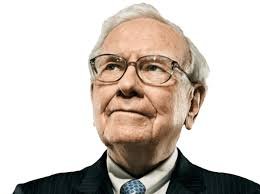
Mastering the Art of Wealth: Timeless Investing Lessons from Warren Buffett
When it comes to the world of finance, few names carry as much weight as Warren Buffett. Known as the “Oracle of Omaha,” Buffett has transformed Berkshire Hathaway from a struggling textile mill into one of the most successful conglomerates in history. But his success isn’t based on overnight luck or high-frequency trading; it is built on a foundation of discipline, patience, and a philosophy known as value investing.
Whether you are a seasoned investor or someone just starting to save for retirement in Canada, Buffett’s principles offer a roadmap to financial independence. Here is how you can apply his wisdom to your own portfolio.
The Core Philosophy: What is Value Investing?
At its heart, value investing is the practice of buying stocks that are trading for less than their intrinsic value. Buffett doesn’t look at a stock as a ticker symbol on a screen; he looks at it as a piece of a business.
To identify a “value” stock, Buffett focuses on several key factors:
- Competitive Moat: Does the company have a unique advantage (like a strong brand or a patent) that protects it from competitors?
- Capable Management: Is the company led by honest and competent executives who act in the interest of shareholders?
- Understandable Business: Buffett famously avoids businesses he doesn’t understand. If you can’t explain how the company makes money in two minutes, it’s not a good investment.
The Magic of Compound Interest
One of the most powerful concepts Buffett champions is compounding. He often describes wealth accumulation as a “snowball” effect: starting with a small amount of snow and rolling it down a long hill, where it grows exponentially over time.
The secret ingredient to compounding isn’t just the interest rate—it’s time. By reinvesting dividends and holding quality assets for decades, the growth accelerates. As outlined by Investopedia, the longer your money stays invested, the more the earnings on your earnings work in your favour.
3 Golden Rules for the Modern Investor
While the markets have changed with the rise of AI and crypto, Buffett’s fundamental rules remain relevant:
- Rule No. 1: Never lose money. Rule No. 2: Never forget Rule No. 1. This isn’t about avoiding all risk, but about managing it. Avoid speculative bubbles and focus on the margin of safety.
- Be Fearful When Others Are Greedy: Most investors buy at the peak (due to FOMO) and sell at the bottom (due to panic). Buffett does the opposite, buying quality assets when the market is crashing and prices are low.
- Think Long-Term: If you aren’t willing to own a stock for ten years, don’t even think about owning it for ten minutes.
Diversification vs. Concentration
While many financial advisors suggest broad diversification to mitigate risk, Buffett advocates for concentrated investing in a few high-quality companies. He believes that if you truly understand a business, spreading your money too thin only dilutes your potential returns.
Final Thoughts
Warren Buffett’s journey proves that wealth is not the result of complex algorithms or inside information, but of temperament and discipline. By focusing on intrinsic value, leveraging the power of time, and keeping emotions in check, anyone can build a sustainable financial future.
Ready to start your investment journey? Remember to do your own research and consider consulting a certified financial planner to align these strategies with your personal goals.