
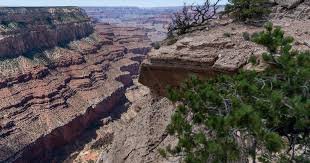
The Hidden Dangers of the Grand Canyon: A Tragic Reminder for Hikers
The Grand Canyon is one of the world’s most breathtaking natural wonders, drawing millions of visitors each year to its towering cliffs and vibrant vistas. However, a recent tragedy has served as a stark reminder that the canyon’s beauty is matched only by its volatility. An 18-year-old hiker recently lost his life after succumbing to heat-related illness on the infamous Bright Angel Trail.
The incident occurred on a Wednesday afternoon when park rangers received a distress call regarding a teenager experiencing severe heat symptoms deep within the canyon. Despite a rapid helicopter rescue operation and desperate life-saving efforts, the young man passed away in a remote area, roughly 30 feet below the trail, after hiking past Havasupai Gardens.
The Bright Angel Trail: Beauty vs. Risk
The Bright Angel Trail is widely regarded as the most popular route into the canyon, but its accessibility can be deceptive. The teenager had attempted a round-trip day hike from the South Rim to the Colorado River—a feat that the National Park Service (NPS) strongly advises against.
Why is a day hike to the bottom so dangerous? Here are the primary risk factors:
- n
- Extreme Elevation Changes: Hikers face an approximate 5,000-foot (1,500 m) descent and an equally grueling ascent back to the rim.
- Rapid Temperature Shifts: Temperatures at the bottom of the canyon can be significantly higher than at the rim, often reaching lethal levels during the summer.
- Physical Exhaustion: The distance and intensity of the trek can lead to rapid dehydration and muscle failure.
Recognizing Heat Stroke: A Medical Emergency
The cause of death in this tragedy was linked to heat-related illness. According to the Centers for Disease Control and Prevention (CDC), heat stroke is the most severe form of heat illness and constitutes a critical medical emergency.
When the body is unable to cool itself down, internal temperatures can skyrocket to 106 degrees Fahrenheit (41°C) or higher in as little as 15 minutes. This can lead to permanent organ damage or death.
Warning Signs to Watch For:
- Confusion or disorientation
- Slurred speech
- Loss of consciousness
- Profuse sweating (or a sudden lack of sweat in advanced stages)
- Seizures
How to Stay Safe While Exploring the Grand Canyon
To ensure your adventure remains a positive experience, follow these essential safety guidelines provided by park experts:
- Avoid the “Rim-to-River” Day Hike: Do not attempt to hike to the bottom and back in a single day. Plan for overnight stays or stick to shorter, designated trails.
- Consult the Experts: Always check in with a park ranger before attempting treks to Havasupai Gardens or further.
- Hydrate Aggressively: Drink water and electrolytes consistently, even if you don’t feel thirsty.
- Time Your Hike: Start your journey at dawn to avoid the peak midday heat.
- Listen to Your Body: If you feel dizzy or confused, stop immediately, find shade, and seek help.
The Grand Canyon offers an unparalleled experience for nature lovers, but respect for the environment is paramount. By understanding the risks and preparing adequately, hikers can enjoy the majesty of the canyon while staying safe.



