
A Digital Heatwave: The Truth Behind the 50°C Forecast in Hangzhou
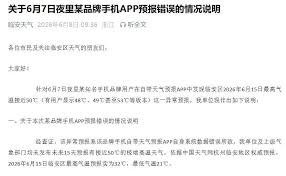
Imagine waking up, checking your phone, and seeing a forecast that predicts temperatures soaring to 50°C (122°F). For many residents in the Lin’an district of Hangzhou, this nightmare scenario became a reality—at least on their screens. Recently, users of a popular smartphone brand reported shocking weather forecasts for June 15, 2026, with some apps showing peaks of 48°C, 49°C, and even a staggering 53°C.
The sudden spike caused a wave of concern among locals, with some comparing the predicted heat to the extreme conditions often seen in India. However, before you start stockpiling ice, there is a very simple explanation for this “digital heatwave.”
The Official Verdict: A System Glitch
The Lin’an District Meteorological Bureau quickly stepped in to calm the public. After a thorough investigation, the bureau confirmed that these extreme readings were not a sign of an impending climate catastrophe, but rather a system data error within the specific smartphone brand’s built-in weather application.
The authorities were clear: neither the Lin’an Meteorological Bureau nor any superior meteorological departments have issued warnings for extreme high temperatures approaching 50°C for the coming weeks.
Real Data vs. App Errors
To set the record straight, the bureau pointed to the authoritative forecasts. According to official data for the Lin’an region on June 15, 2026, the actual predicted temperatures are far more reasonable:
- n
- Maximum Temperature: 32°C (89.6°F)
- Minimum Temperature: 21°C (69.8°F)
The difference between the app’s glitch and reality is a massive 20-degree gap, highlighting how a simple software bug can lead to widespread misinformation.
How to Avoid Weather Misinformation
In an era where we rely heavily on integrated apps, it is easy to trust the first number we see on our lock screens. However, official channels recommend a more critical approach when encountering forecasts that defy local climatic norms. To ensure you are getting accurate information, follow these tips:
- Cross-Reference: If a forecast looks suspiciously extreme, check a second independent source.
- Use Official Channels: Rely on government-led meteorological bureaus or globally recognized organizations like the World Meteorological Organization (WMO).
- Verify the Source: Remember that built-in phone apps often aggregate data from third-party providers, which can occasionally suffer from synchronization errors.
While we all keep an eye on global warming and climate shifts, in this particular case, the only thing “overheating” was a piece of software code. Stay cool, Hangzhou!



