The Bitter Irony of the Windy City and the World Cup
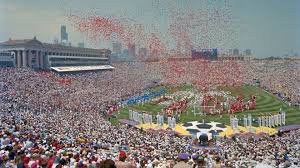
For soccer fans in the Midwest, the memories of 1994 are still vivid. That was the year the United States hosted the men’s World Cup, and the spectacle began in the heart of Chicago at the iconic Soldier Field. It was a star-studded affair, emceed by Oprah Winfrey and featuring a performance by Diana Ross, culminating in President Bill Clinton officially opening the tournament. It was a moment of global prestige, and for a while, Chicago was the epicenter of the footballing world.
Fast forward to today, and the narrative has shifted dramatically. As the world prepares for the 2026 tournament, a glaring void remains: Chicago will not be hosting any World Cup games.
What Happened? The Clash Between Chicago and FIFA
The decision to opt out wasn’t a matter of lack of interest, but rather a clash of interests. Three months before the joint bid from the U.S., Canada, and Mexico was submitted to FIFA, then-Mayor Rahm Emanuel announced that Chicago would step aside. The reason? The financial and administrative burdens imposed by the governing body were simply too high.
According to statements from the Mayor’s office at the time, FIFA’s demands lacked a basic level of certainty, placing the city’s taxpayers at an unacceptable risk. The combination of FIFA’s inflexibility and the potential for skyrocketing unexpected expenses made the bid a liability rather than an asset.
The Shadow of the 2016 Olympics
To understand why Chicago was so hesitant, one must look at the city’s emotional scars. The city had previously gone all-in for the 2016 Summer Olympics, even leveraging the influence of President Barack Obama during the presentation in Copenhagen. The result? A crushing elimination in the first round of voting.
That rejection left a lasting sting. When the 2026 World Cup games discussions began, city leaders were no longer willing to gamble their reputation or their budget on a process they felt they couldn’t control.
A Missed Opportunity for a Perfect Host
Logistically, Chicago was a goldmine for any international tournament. The city boasts:
- n
- World-Class Infrastructure: Two major international airports and a robust mass transit system connecting the suburbs to the downtown core.
- Hospitality: An abundance of hotel rooms capable of handling millions of tourists.
- Cultural Diversity: A vast immigrant population that would have made fans from every participating nation feel at home.
- The Pitch: Soldier Field, which already features natural grass (a requirement for the World Cup), meaning no costly turf replacements would have been necessary.
A Small Consolation Prize
While Chicago won’t host official 2026 tournament matches, the city won’t be entirely left out of the festivities. On June 6, the U.S. Men’s National Team (USMNT) will face Germany at Soldier Field in a high-stakes send-off game. This match serves as the final curtain call before the team heads to training camp in California and eventually kicks off their World Cup journey on June 12 in Los Angeles against Paraguay.
For the fans who have already snapped up sold-out tickets for the Germany match, it will be a taste of the passion that defines the World Cup games, even if the city’s official trophy cabinet remains empty for this cycle.