
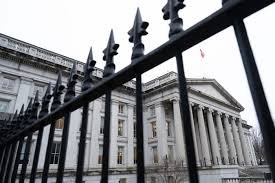
The Shift in Student Loan Management: What is the Treasury Department Student Loan Transfer?
A significant shift in federal policy is underway as the Trump administration initiates the Treasury Department student loan transfer. By moving the management of federal student loans from the Department of Education to the Treasury Department, the government aims to streamline debt recovery. However, this move has sparked intense debate among education policy experts and consumer advocates.
At the heart of the controversy is the “Cross-Servicing program,” a system that utilizes private contractors to collect federal debts. For the millions of borrowers currently struggling with repayment, this transition could mean the return of collection agencies with a history of aggressive and misleading tactics.
The Return of Controversial Debt Collectors
One of the primary concerns regarding the Treasury Department student loan transfer is the potential involvement of firms like Pioneer Credit Recovery and Transworld Systems. These agencies have previously been under the microscope for their handling of federal debts:
- n
- Pioneer Credit Recovery: Sued by the Consumer Financial Protection Bureau (CFPB) for deceptive practices, including steering borrowers toward expensive forbearances instead of affordable income-driven plans. This resulted in a 2024 court order to pay $100 million to affected borrowers.
- Transworld Systems: Fined $2.5 million in 2024 for filing lawsuits to collect debts without sufficient proof that the money was actually owed.
Why the Administration is Making the Move
From the government’s perspective, the Treasury is simply the most efficient tool for the job. Treasury Secretary Scott Bessent has argued that the agency possesses the “operational capability and financial expertise” necessary to bring long-overdue financial discipline to the student loan program, ensuring better stewardship of taxpayer dollars.
Because the Treasury already employs these private contractors to collect taxes and other federal payments, officials argue that this is the most straightforward path to resuming collections on defaulted loans.
The Risks for Borrowers: Fees, Confusion, and Redefault
With over 10 million borrowers currently in default or delinquency, experts warn that the Treasury Department student loan transfer could create a perfect storm of financial instability. The risks include:
- Higher Collection Fees: Private agencies are often driven by profit, leading to variable and sometimes predatory fee structures.
- Administrative Chaos: Transitioning accounts between the Department of Education and the Treasury can lead to “handoff” errors, leaving borrowers lost in the process.
- Lack of Specialized Knowledge: Unlike the Department of Education, the Treasury may lack the nuanced expertise required to manage complex student loan policies and borrower rights.
What Should Borrowers Do?
As involuntary collections—such as wage garnishment and the seizure of federal benefits—prepare to resume, borrowers are encouraged to stay informed. It is crucial to monitor your account status via the official Federal Student Aid portal to avoid falling victim to misleading communication from third-party collectors.
The bottom line: While the administration views this transfer as a move toward efficiency, borrowers must remain vigilant to ensure their rights are protected and that they are not steered into costly, suboptimal repayment paths.



