
Middle East Tension: How Israel, the US, and Iran are Shaping Global Stability
The geopolitical landscape of the Middle East remains precariously balanced. Recent escalations between the United States, Iran, and Israel have pushed a fragile ceasefire to its absolute limit, triggering a series of retaliatory strikes that threaten not only regional peace but global economic stability.
A Cycle of Retaliation: US and Iranian Forces Clash
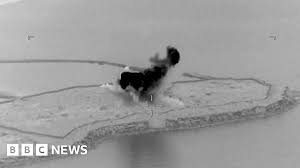
The tension reached a boiling point as American forces targeted Iranian drones and radar installations. According to US Central Command (Centcom), the military intercepted four “one-way attack drones” launched toward the Strait of Hormuz, which were identified as immediate threats to maritime traffic. In a strategic move to prevent further incursions, US forces struck coastal surveillance radar sites in southern Iran.
Iran quickly retaliated, launching ballistic missiles toward US air bases in Kuwait and naval facilities in Bahrain. While the Irib news agency reported these attacks as a direct response, Centcom stated that six of the seven missiles were successfully intercepted, with the final one failing to reach its target.
The Critical Role of Israel and the Global Energy Crisis
The current volatility is deeply rooted in events from earlier this year. On February 28, Israel and the US launched extensive strikes on Iran, sparking a wider conflict across the region. Iran’s response was swift, targeting Israeli and US-allied states and effectively restricting access to the Strait of Hormuz.
The impact of this closure was felt worldwide, as the strait is a vital artery for approximately 20% of the world’s oil and liquefied natural gas. This disruption caused oil prices to soar, affecting economies from Asia to North America. For more detailed analysis on global energy trends, you can visit the International Energy Agency (IEA).
Diplomatic Deadlock and the US Blockade
Despite attempts to establish a ceasefire in April, negotiations have largely stalled. Reports indicate that President Donald Trump requested significant changes to the terms of the agreement, leading Iran’s foreign ministry to accuse the US of providing “contradictory demands.”
Adding to the pressure, the US has maintained a strict blockade of Iranian ports. This economic warfare is intended to remain in effect until a certified and signed agreement is reached, further complicating the path to peace.
Unexpected Contrasts: Sport Amidst War
In a surprising diplomatic anomaly, the US has granted visas to Iran’s national football team for the World Cup. Their upcoming match in Los Angeles on June 15 marks a historic first: a host nation receiving a team from a country with which it is actively engaged in conflict. This gesture provides a stark contrast to the military aggression occurring in the Gulf.
Escalation in Lebanon: Israel and Hezbollah
Beyond the conflict with Iran, Israel continues to navigate high-stakes tensions in south Lebanon. The Israeli military is currently reviewing a recent “incident” involving clashes with Hezbollah. While the IDF has expressed deep sorrow for any harm caused, the situation remains volatile, adding another layer of complexity to the regional security crisis.
Summary of Key Events
- Strategic Strikes: US targeting Iranian radar; Iran targeting US bases in Kuwait and Bahrain.
- Economic Shock: Closure of the Strait of Hormuz leading to global oil price spikes.
- Diplomatic Failure: Stalled ceasefire negotiations and ongoing US port blockades.
- Regional Conflict: Ongoing investigations into Israeli military actions in Lebanon against Hezbollah.



