Protecting the Future: A Bold Step Against Measles-Rubella in Indonesia
In a decisive move to safeguard children’s health, the World Health Organization (WHO), with strategic support from the Government of Japan, has unveiled a critical new initiative aimed at eradicating measles-rubella (MR) outbreaks across Indonesia. The mission is clear: close the dangerous immunization gaps that have left thousands of children vulnerable to preventable diseases.
The Crisis: Why Urgent Action is Needed
Indonesia is currently facing a resurgence of vaccine-preventable diseases. The situation is particularly dire in high-risk regions such as North Sumatra and Greater Papua, where healthcare access remains a significant challenge. The statistics paint a sobering picture of the current public health landscape:
- n
- Alarming Low Coverage: In 2024, MR dose 1 coverage in Papua plummeted to just 46.2%.
- Missed Opportunities: Nearly 83,000 children in North Sumatra and Papua missed their first dose, while another 150,000 failed to receive the second necessary dose.
- Rising Case Numbers: By April 2026, over 2,131 laboratory-confirmed cases had already been recorded.
- High-Risk Zones: Currently, 25 provinces and 252 districts are classified as high-risk areas.
“No Child Left Behind”: The Strategy for Success
To combat this crisis, the one-year project titled “No Child Left Behind: Ending deadly measles-rubella outbreaks and closing immunization gaps in Indonesia” has been implemented. This is not just a medical intervention, but a comprehensive systemic overhaul. The initiative focuses on three primary pillars:
- Strengthening Routine Immunizations: Ensuring vaccines reach the most remote corners of the archipelago.
- Enhanced Disease Detection: Improving surveillance and response systems to stop outbreaks before they spread.
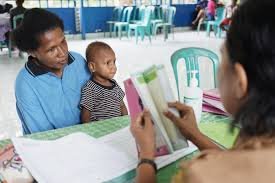
- Local Capacity Building: Training frontline health workers to provide better care and advocacy in priority areas.
Dr. N. Paranietharan, WHO Representative to Indonesia, emphasized that this intervention comes at a critical juncture, requiring a coordinated effort to protect the most isolated communities.
A Whole-of-Society Approach
Real change requires more than just medicine; it requires community trust. This initiative employs a “whole-of-government and whole-of-society” approach by collaborating with:
- n
- Education and religious affairs offices.
- Civil society organizations.
- Local community leaders and influencers.
Mr. Myochin Mitsuru, Chargé d’affaires ad interim of the Embassy of Japan, highlighted that ensuring access to life-saving life-saving vaccines is essential for global health security and the prevention of international disease spread.
Looking Ahead: Building Resilient Health Systems
The partnership between the WHO, Japan, and the Indonesian government represents a long-term commitment to universal health coverage. By focusing on primary health care and resilient infrastructure, they are not only fighting a current outbreak but building a shield against future health crises.
For more information on global vaccination efforts and how to protect your community, visit the WHO Indonesia portal.