
Legal Setback in the Arizona Prosecution of Fake Electors
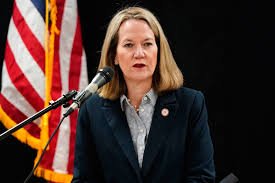
The legal battle surrounding the 2020 election results in Arizona has hit a significant roadblock. In a recent decision, the Arizona Supreme Court rejected a request from Attorney General Kris Mayes, ruling that the criminal case against 18 Republicans must be sent back to a grand jury. This move marks a critical turning point in the arizona prosecution of fake electors, a case that has been stalled for over a year.
The case, which began in April 2024, centers on allegations of forgery, fraud, and conspiracy. The defendants are accused of attempting to overturn Joe Biden’s victory in the state—where he won by 10,457 votes—by submitting a false slate of electors.
Why the Case is Returning to the Grand Jury
The decision stems from a successful appeal by defense attorneys. They argued that the original grand jury was not presented with the relevant portions of the law governing how presidential contests are certified. Because this crucial legal context was missing, the state’s highest court determined that the process must be restarted.
While Attorney General Kris Mayes had hoped to proceed through the courts without starting over, her office has stated they will re-present the case in its entirety to a grand jury rather than abandon the prosecution.
A Broader Pattern of Legal Dismissals
This ruling comes amid a wave of similar legal challenges across the United States. Following Donald Trump’s victory in the 2024 election, several high-profile cases have seen shifts in momentum:
- n
- Michigan and Georgia: Similar cases were dismissed by the courts.
- Federal Level: A special prosecutor dropped a federal case against Trump regarding the 2020 election late in 2024.
- Ongoing Battles: Despite these dismissals, fake elector schemes are still being litigated in Arizona, Nevada, and Wisconsin.
The Defense Strategy and Legal Nuances
Defense lawyers, including those representing figures like Rudy Giuliani, argue that the actions taken were legally permissible at the time. They contend that the law allowed for multiple slates of electors to be submitted if results were disputed. However, it is important to note that federal law was amended in 2022 to explicitly state that only one slate of electors per state is permitted, signed off by the governor.
Mark L. Williams, an attorney for Giuliani, has labeled the entire prosecution as “meritless,” questioning whether the Attorney General’s office will actually follow through with the grand jury process.
Who is Involved in the Case?
The prosecution targets a specific group of 18 individuals who were central to the effort to challenge the certification in Arizona:
- n
- Former Trump Aides: 2 individuals.
- Legal Counsel: 5 lawyers working for the former president.
- Republican Officials: 11 individuals who signed the fraudulent documents.
To date, three defendants have resolved their cases, including one who pleaded guilty to a misdemeanor. The remaining defendants maintain their innocence, claiming they signed the certificates as a precautionary measure in case court challenges shifted the outcome before the January 6 deadline.
As the case returns to the grand jury, the legal community continues to watch whether this prosecution will lead to convictions or follow the path of other dismissed election-related cases across the U.S. For more updates on judicial rulings, you can follow the Associated Press.



