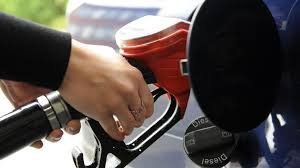
The Future of Pumping Technology: Efficiency, Innovation, and the Evolution of “Pompe” Systems
In the world of industrial engineering and domestic utility, the concept of the pompe (pump) is fundamental. From the massive systems that move water across entire cities to the precise mechanisms in medical devices, pumping technology is the silent heartbeat of modern infrastructure. As we move toward a more sustainable future, the evolution of these systems is focusing on one primary goal: maximum efficiency with minimum environmental impact.
What is the Role of Modern Pumping Systems?
At its core, a pump is a device used to move fluids (liquids or gases) by mechanical action. In Canada, where diverse industries ranging from oil and gas to sustainable agriculture thrive, the application of advanced pumping technology is crucial. Whether it is a centrifugal pump or a positive displacement system, the goal is to overcome resistance and transport materials effectively.
The term pompe, while rooted in French, represents a global standard of mechanical engineering that integrates fluid dynamics and thermodynamics to ensure that resources reach their destination without waste.
Key Innovations Shaping the Industry
The industry is currently undergoing a digital transformation. We are no longer looking at simple mechanical devices, but rather “smart” systems. Here are the most significant trends:
- n
- IoT Integration: Modern pumps are now equipped with sensors that monitor flow rate, pressure, and vibration in real-time, allowing for predictive maintenance.
- Energy-Efficient Motors: The shift toward Variable Frequency Drives (VFDs) allows pumps to adjust their speed based on actual demand, drastically reducing electricity consumption.
- Sustainable Materials: The use of corrosion-resistant composites and eco-friendly lubricants is extending the lifespan of equipment and reducing chemical leakage.
- Precision Engineering: Advanced CAD and 3D printing are allowing for the creation of custom impellers that optimize fluid flow and reduce cavitation.
Why Efficiency Matters for Canadian Businesses
For businesses operating in Canada, upgrading to high-efficiency pumping systems isn’t just about technology—it’s about the bottom line. Reducing energy overheads directly impacts profitability and helps companies meet stringent government environmental regulations.
By implementing modern pumping standards, industries can reduce their carbon footprint while increasing the reliability of their operations. The transition from legacy systems to smart “pompe” technology is an investment in long-term sustainability.
Conclusion: Embracing the Next Generation of Fluid Transport
The evolution of pumping technology is a testament to human ingenuity. From the basic mechanical pumps of the past to the AI-driven systems of today, the focus remains on precision and efficiency. As we look forward, the integration of green energy and smart monitoring will continue to redefine how we move the fluids that power our world.
Are you ready to optimize your industrial processes? Exploring the latest in pumping innovation is the first step toward a more efficient and sustainable operation.