
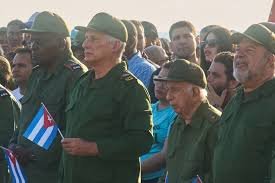
Miguel Díaz-Canel: Navigating the Complex Future of Cuba
For decades, the global perception of Cuba was inextricably linked to the legacy of the Castro brothers. However, the ascent of Miguel Díaz-Canel to the presidency marked a symbolic and political transition. As the first non-Castro leader of the island in over six decades, Díaz-Canel faces the daunting task of maintaining ideological stability while managing a severe economic crisis.
Who is Miguel Díaz-Canel?
Miguel Díaz-Canel assumed the presidency of Cuba in 2018, stepping into a role that required a delicate balance between traditional socialist principles and the urgent need for modernization. Unlike his predecessors, he represents a new generation of leadership within the Communist Party of Cuba (PCC), aiming to institutionalize the government and move away from the charismatic, personalized rule of the past.
Key Challenges of the Current Administration
Leading Cuba in the 21st century is no small feat. The administration of Miguel Díaz-Canel has been characterized by several critical hurdles:
- n
- Economic Volatility: Cuba has struggled with high inflation and shortages of basic goods, exacerbated by the global pandemic and long-standing trade restrictions.
- Social Unrest: The government has faced significant internal pressure, most notably during the widespread protests in July 2021, which highlighted deep-seated frustrations regarding living conditions.
- Energy Crisis: Frequent power outages have plagued the island, sparking public discontent and requiring urgent infrastructure investment.
Cuba’s International Standing and Diplomacy
Under the leadership of Miguel Díaz-Canel, Cuba continues to navigate a complex relationship with the United States. While attempting to maintain its sovereignty and socialist identity, the government has had to seek diverse international alliances to sustain its economy. From strengthening ties with China and Russia to engaging with other Latin American neighbors, the goal remains the same: breaking the isolation imposed by external sanctions.
For a deeper look at the geopolitical dynamics of the region, you can explore reports from BBC News – Latin America, which provides comprehensive coverage of Caribbean political shifts.
The Path Forward: Reform or Tradition?
The central question surrounding Miguel Díaz-Canel is whether he will implement meaningful economic reforms—such as expanding the role of small and medium-sized private enterprises (SMEs)—or if the state will maintain a tight grip on all sectors of the economy.
Recent moves toward allowing more private business activity suggest a pragmatic shift. However, the political structure remains rigid, creating a tension between the need for economic openness and the desire for political control.
Conclusion
Miguel Díaz-Canel stands at a historical crossroads. His legacy will likely be defined by his ability to stabilize the Cuban economy and respond to the aspirations of a population yearning for change. Whether through gradual reform or steadfast adherence to tradition, his leadership continues to be a focal point for international observers and political analysts worldwide.



